November 1, 2025
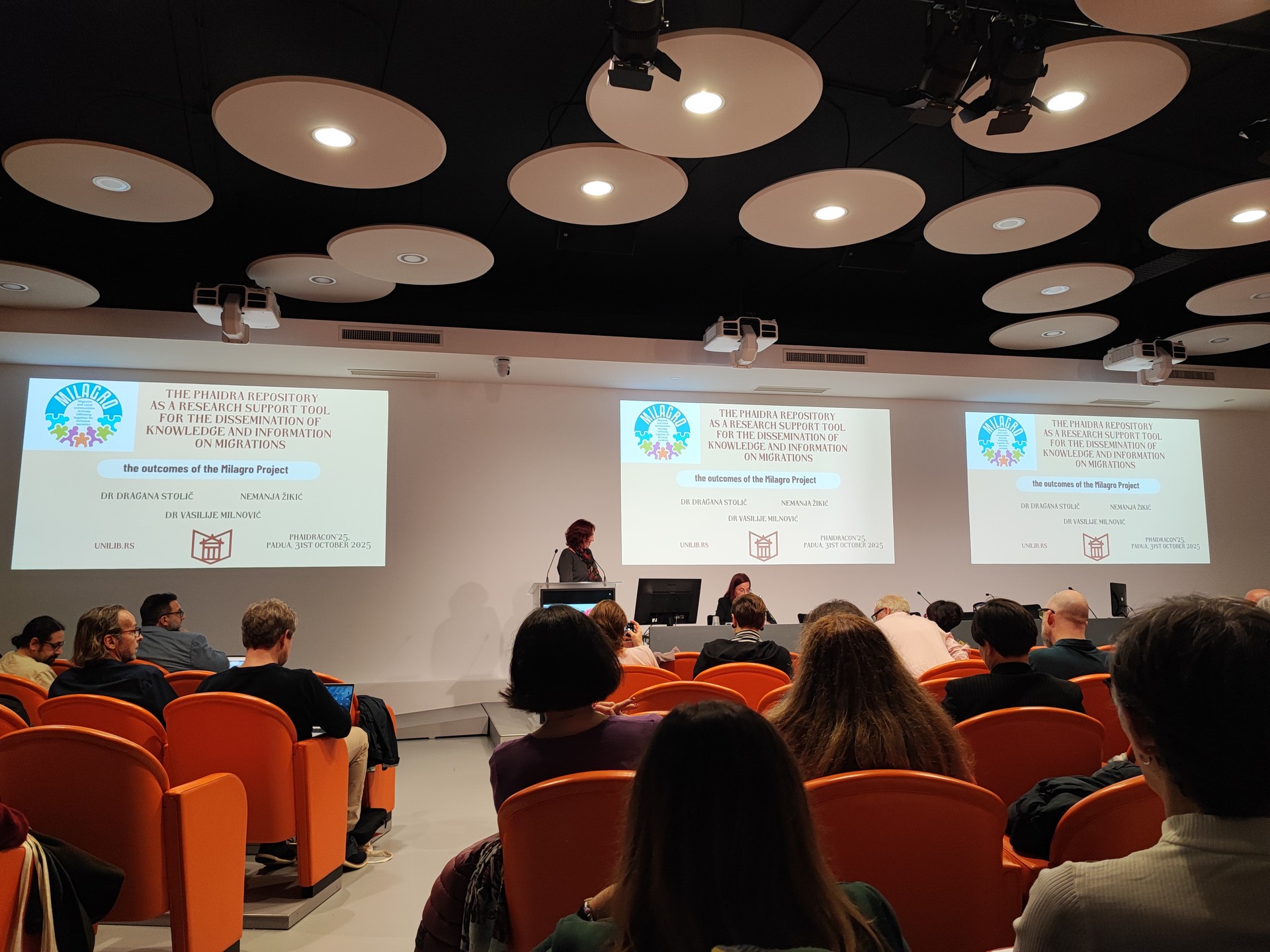
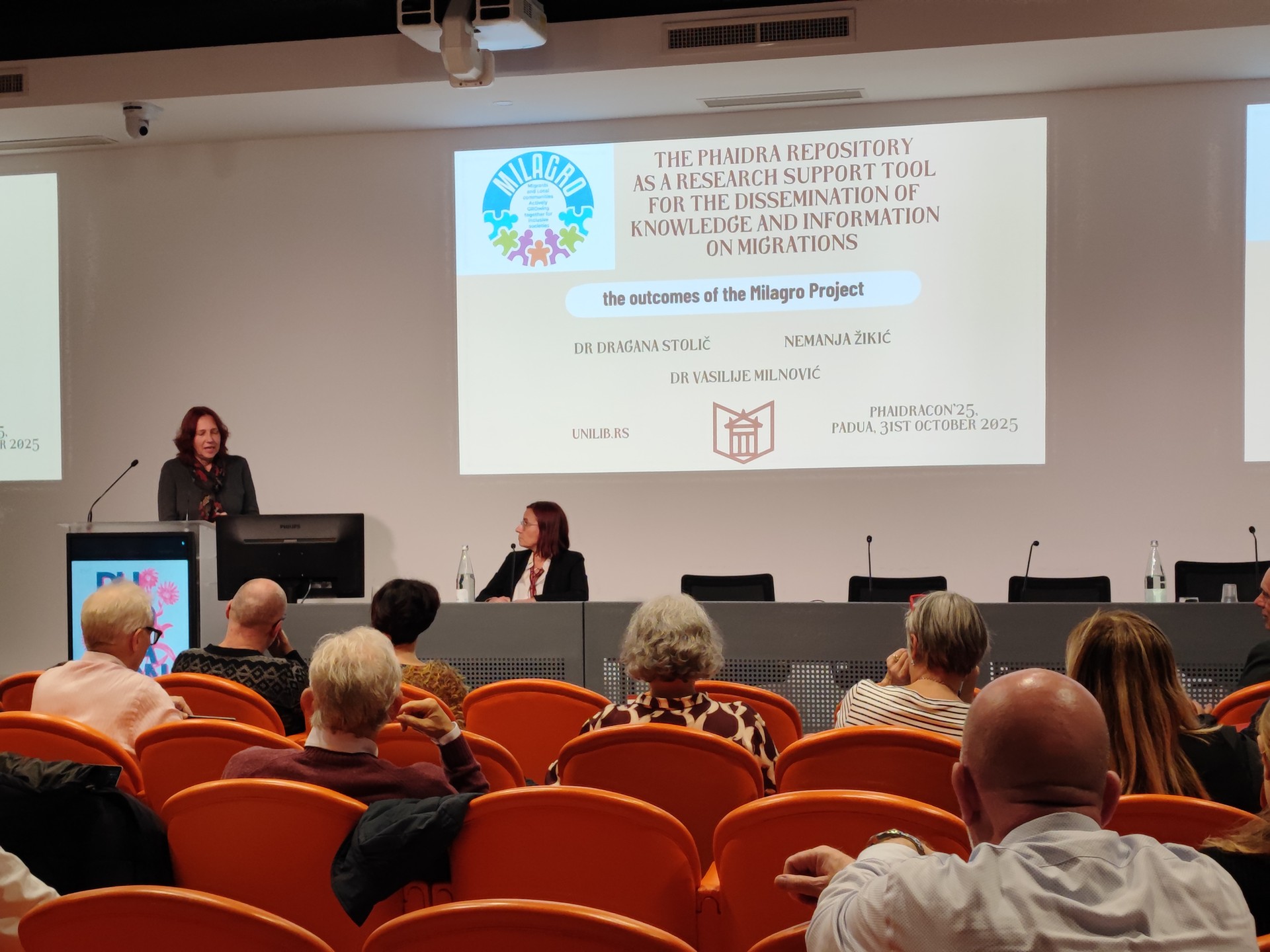
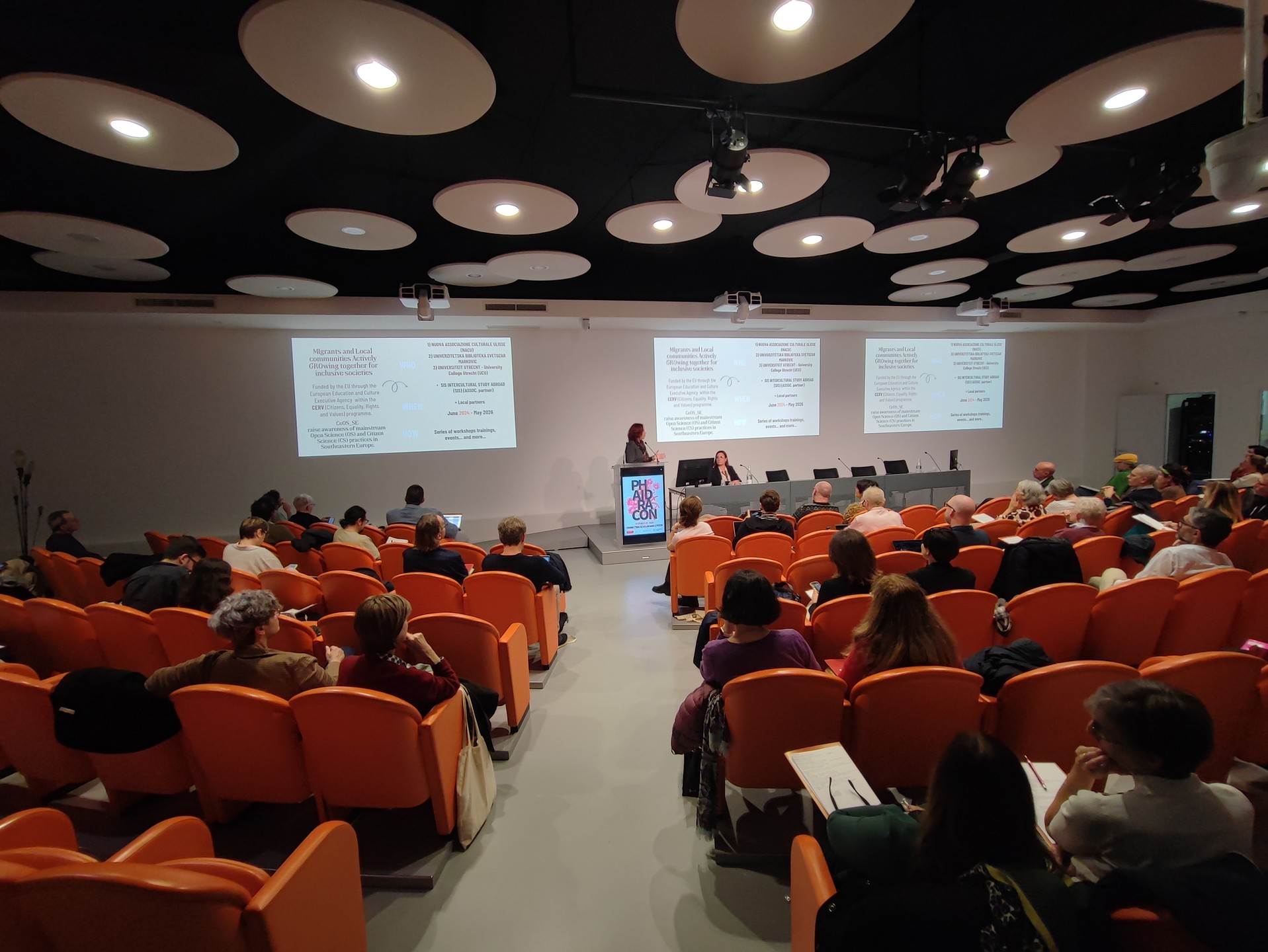
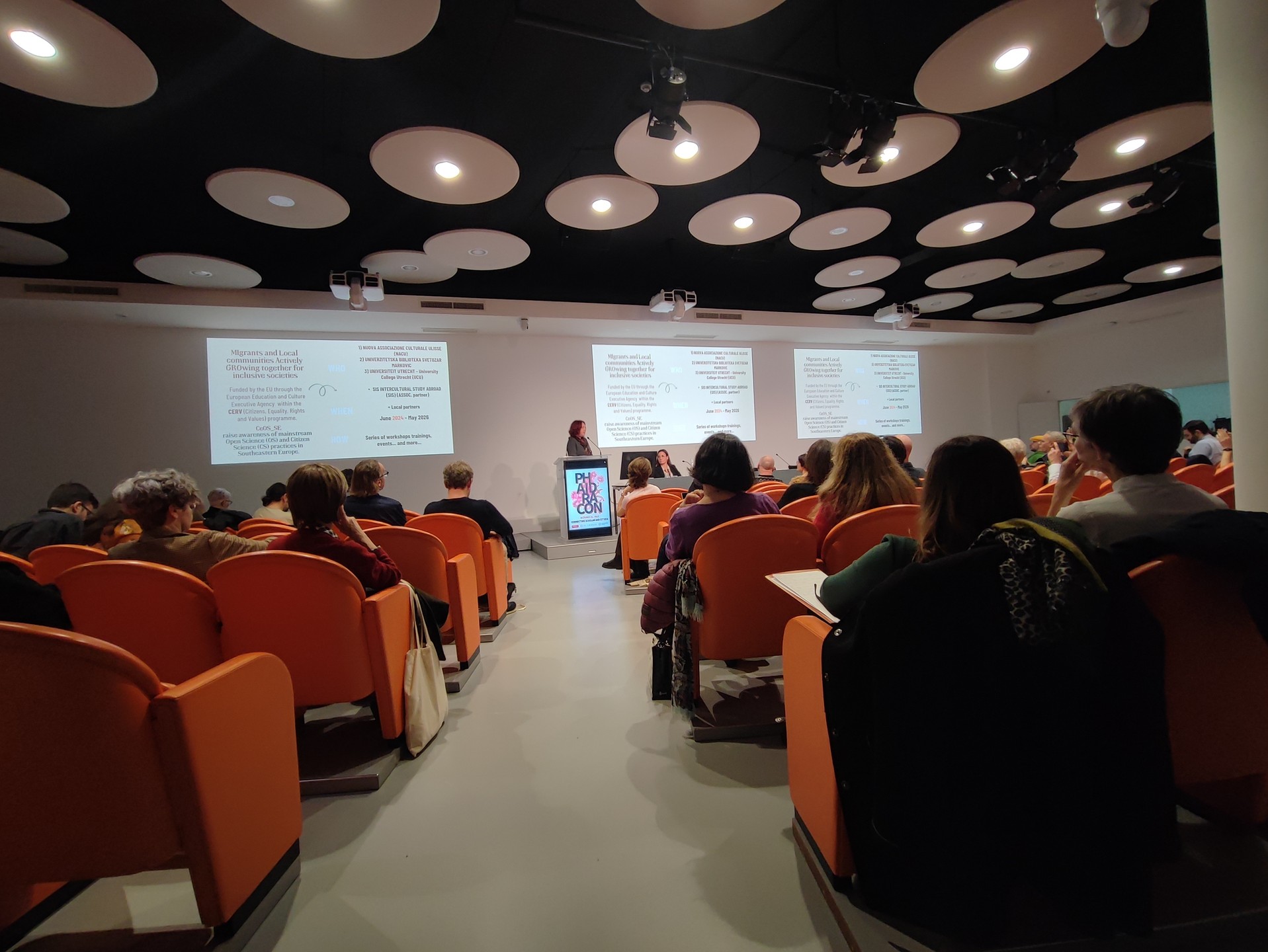
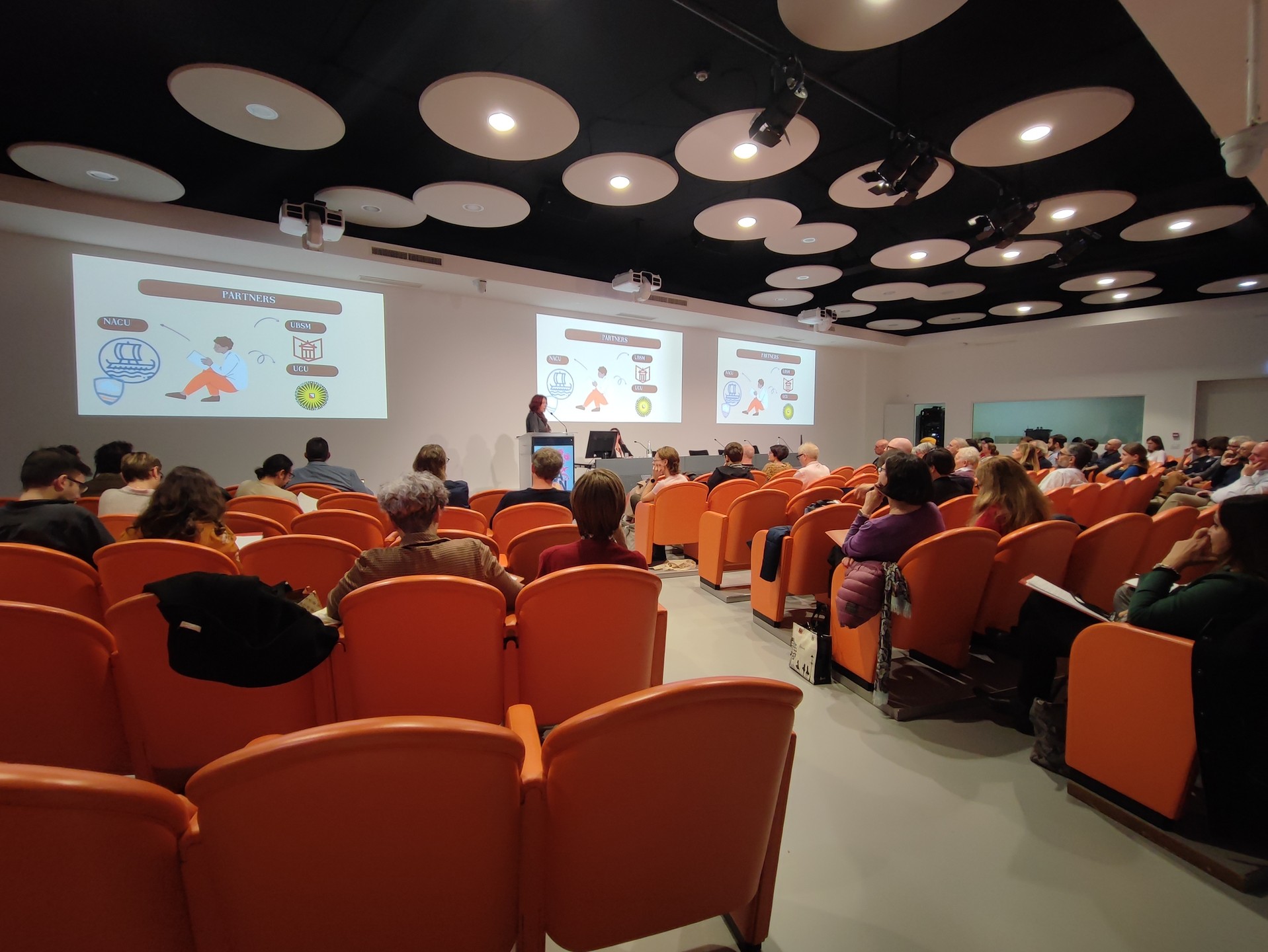
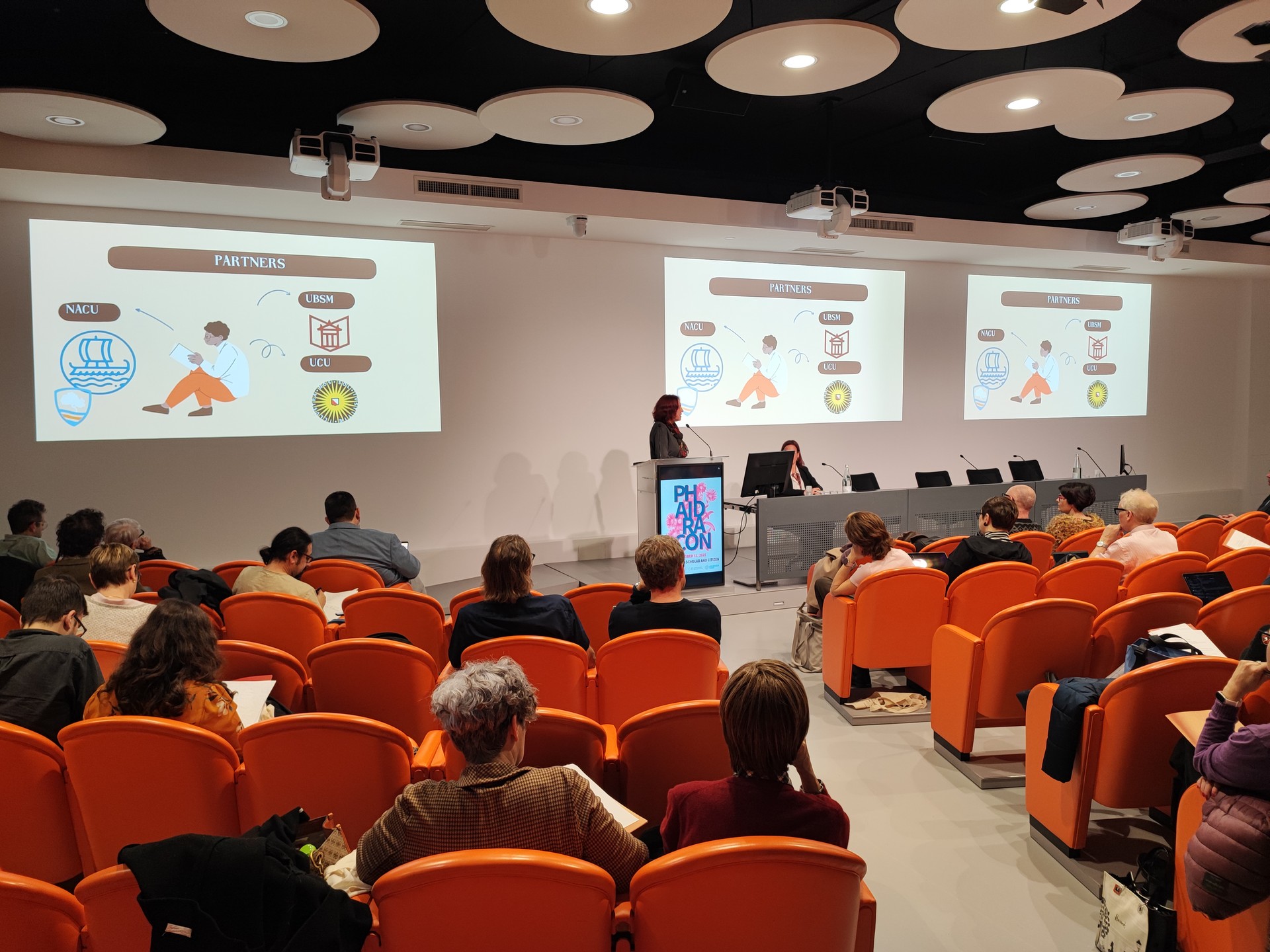
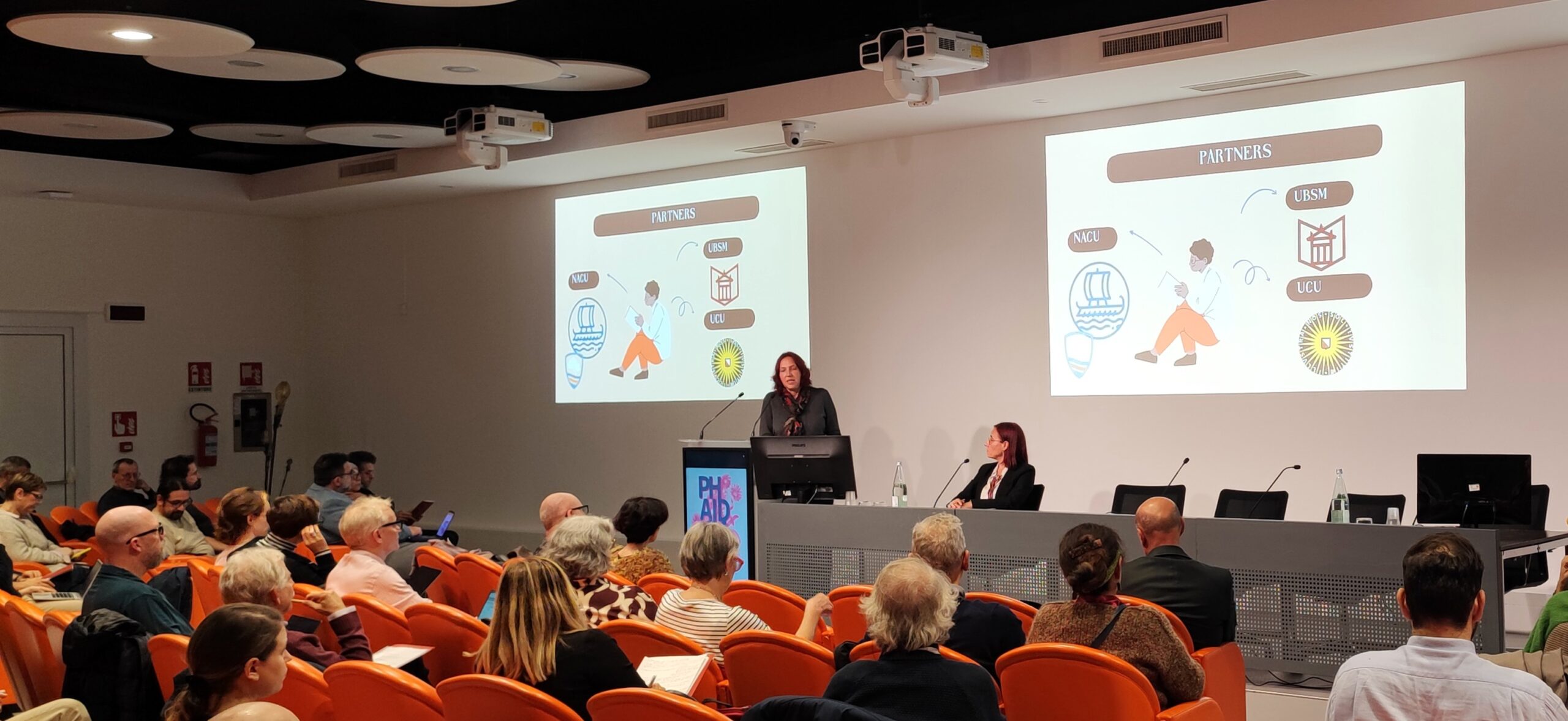
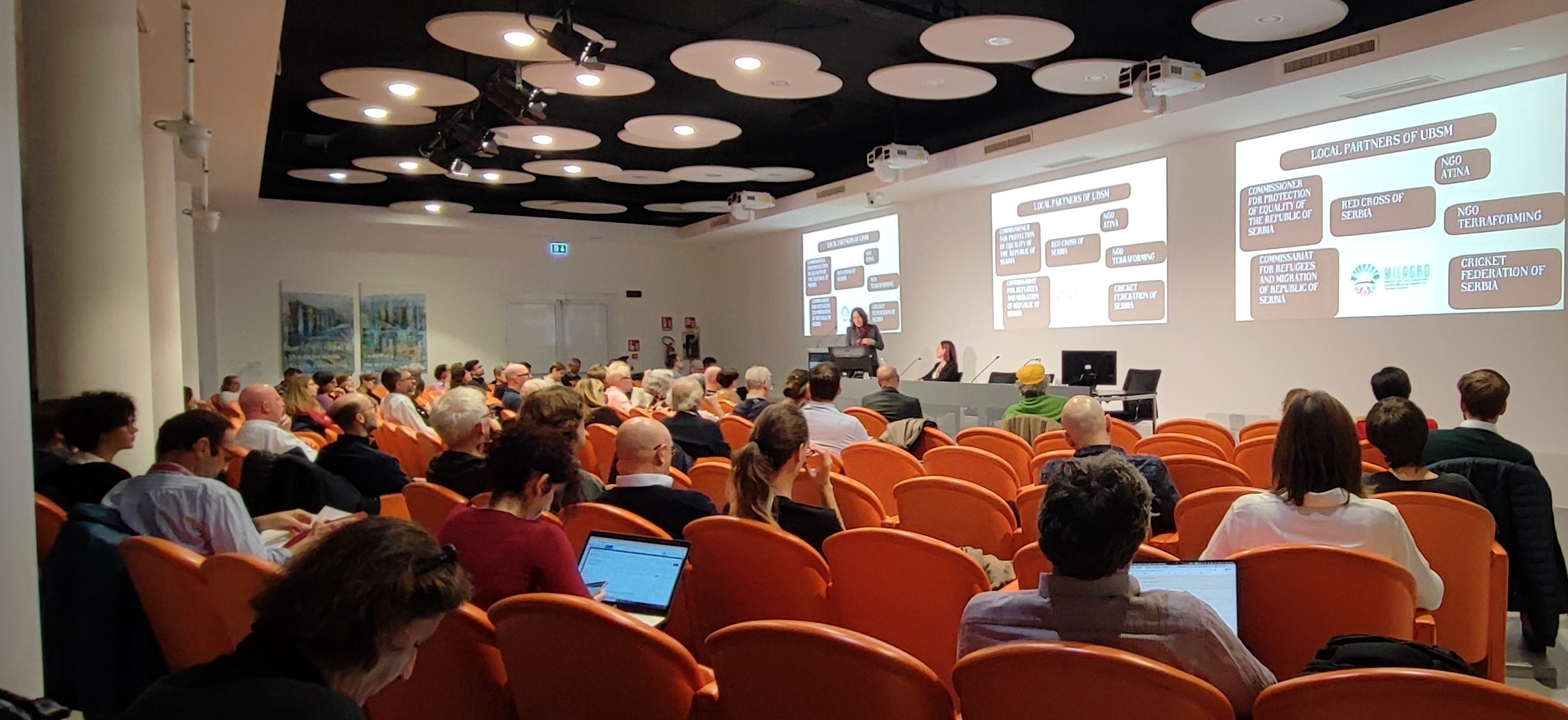
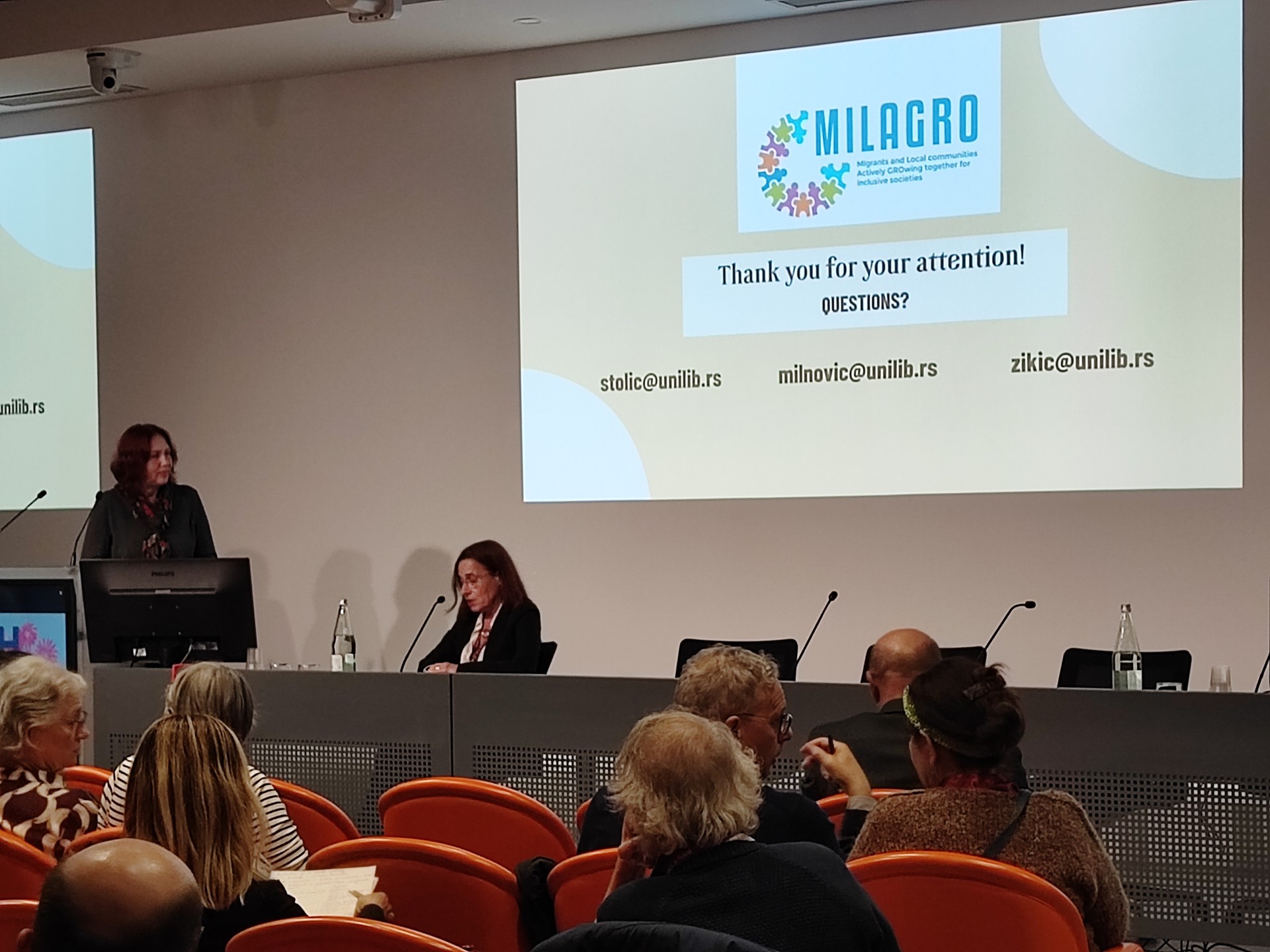
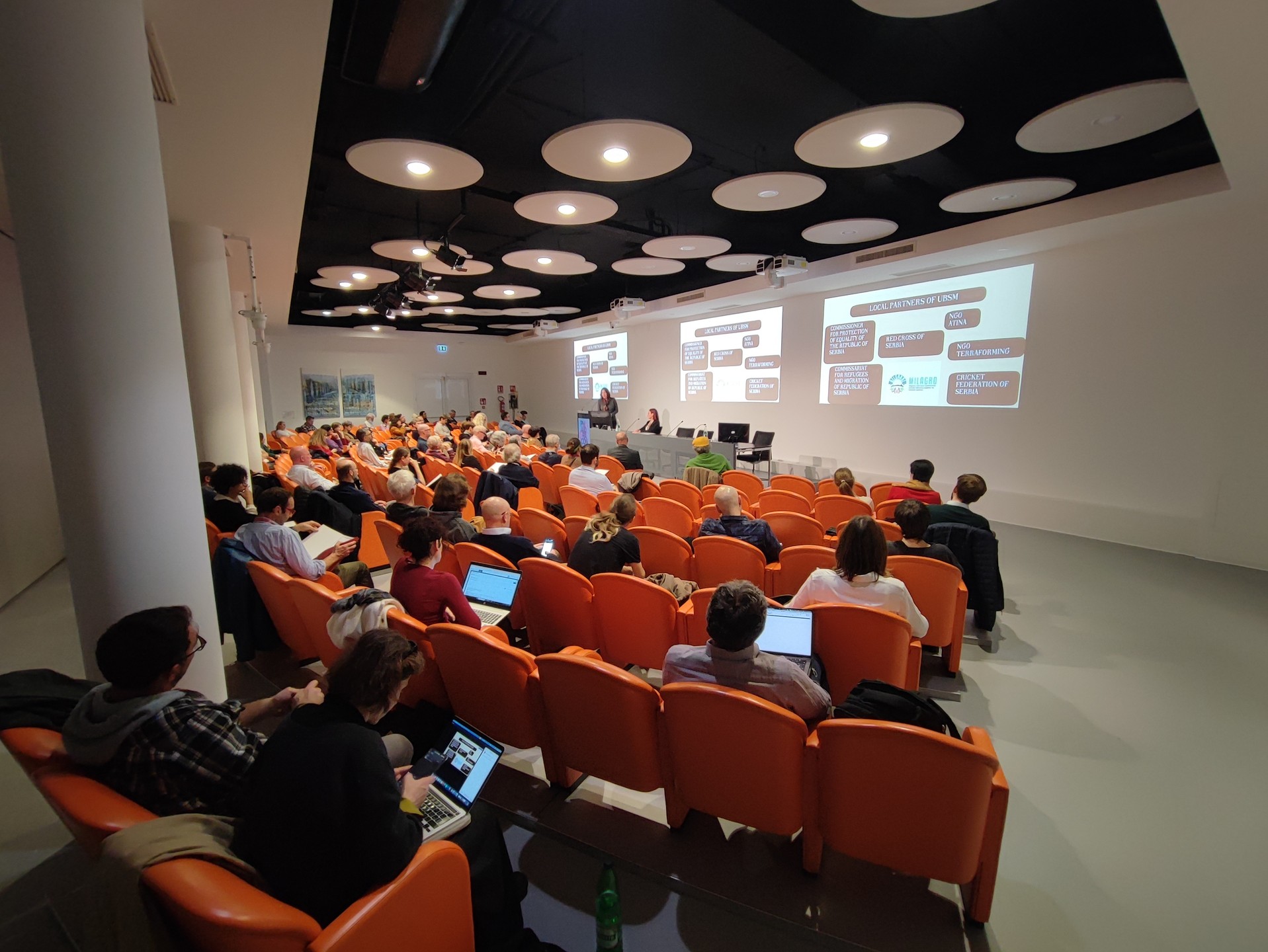
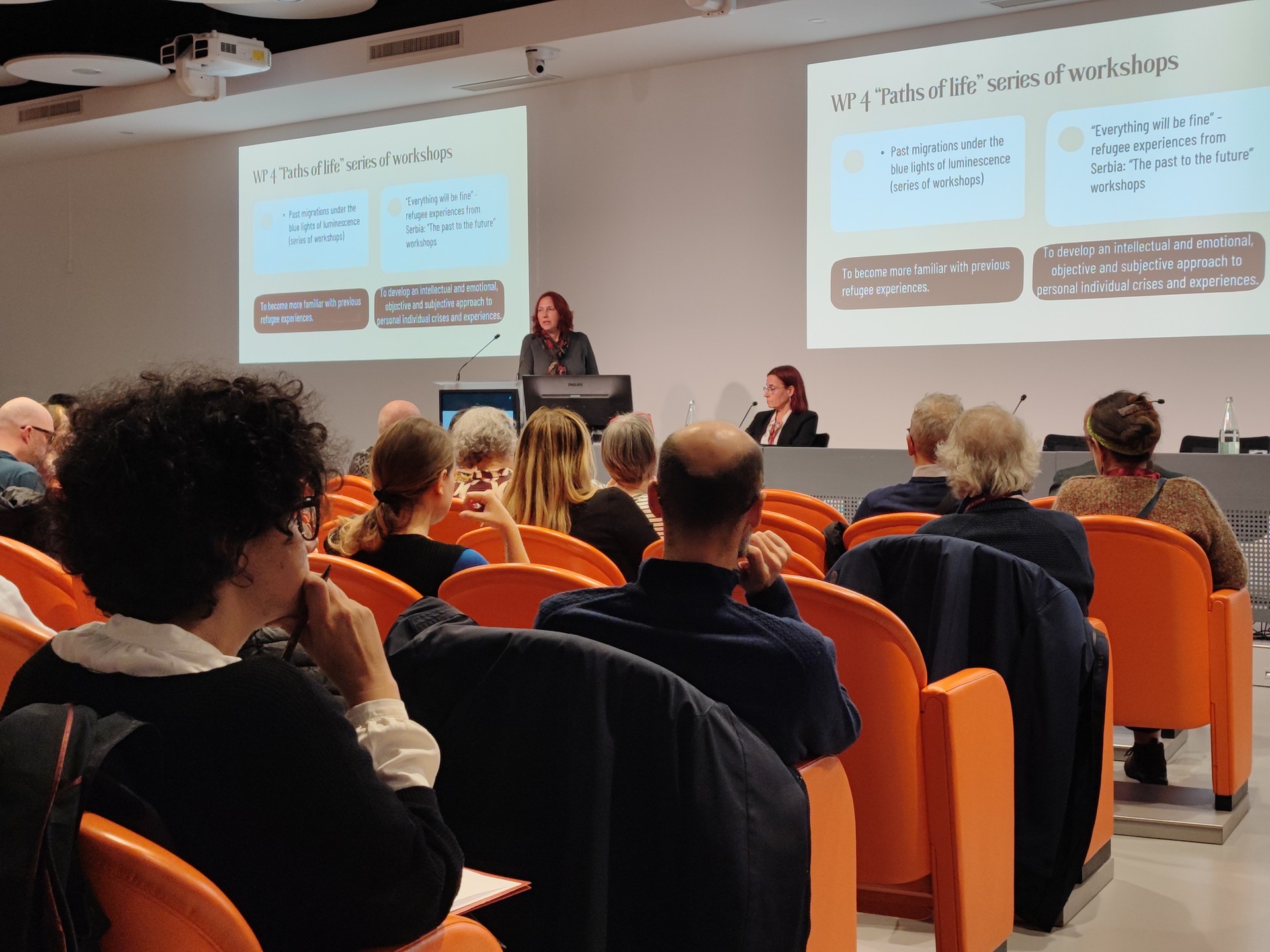
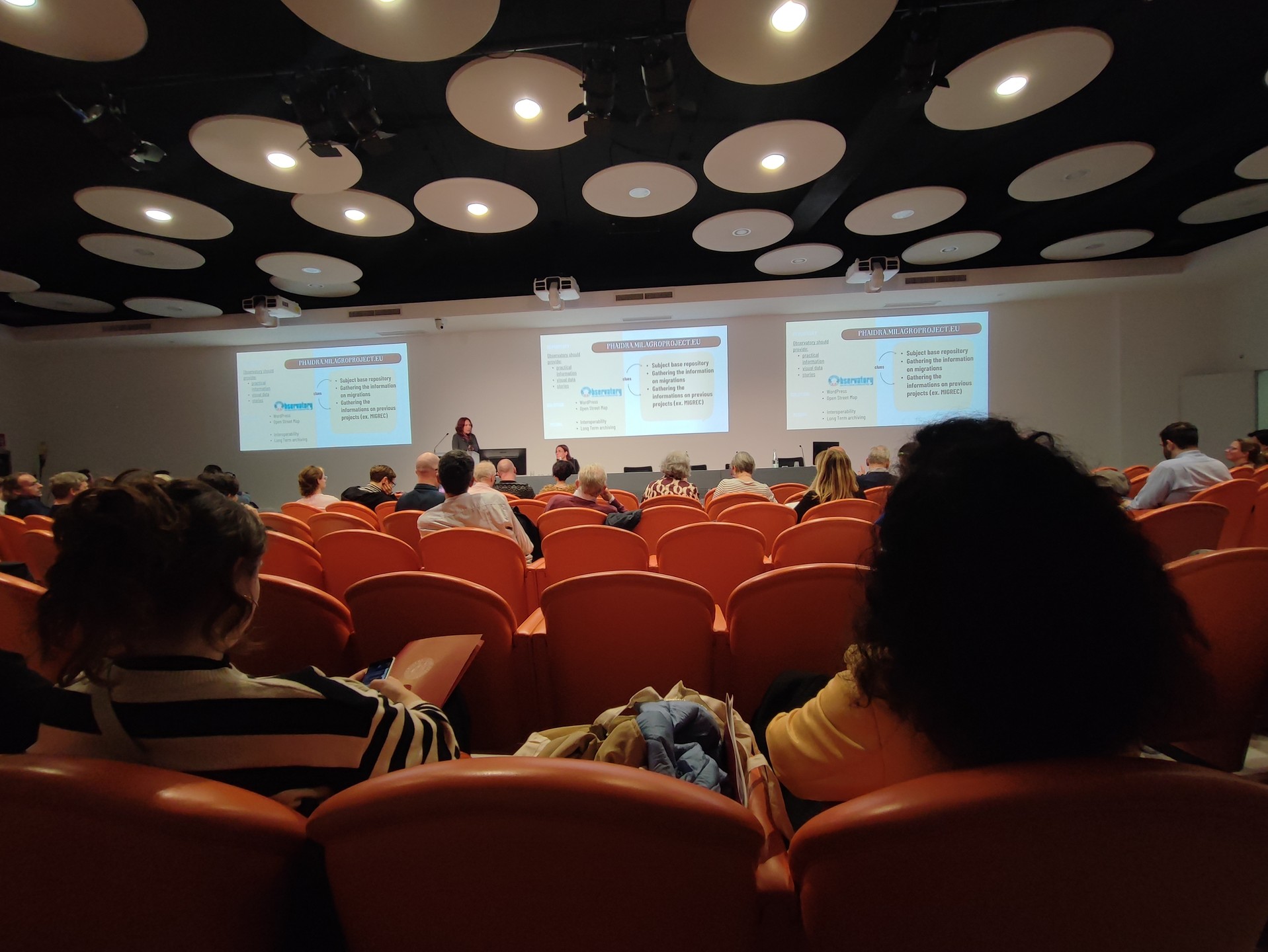
At the recently concluded PHAIDRACon Conference in Padua, in Italy, the MILAGRO project was presented as part of the project dissemination by PhD Dragana Stolić.
PHAIDRACon is an annual conference of the PHAIDRA partners – universities mainly in Austria, Serbia and Italy that are using the PHAIDRA repository system for depositing, archiving and use of digital resources and assets. The PHAIDRA system is based on the Fedora digital system and it was developed at the University in Vienna in 2007. Soon after Vienna University, University in Padua started using this system in 2010, and finally in 2011, University of Belgrade as well. After more than 10 years, the number of PHAIDRA users is increasing, and the PHAIDRA community is getting more members. The conference, which was held for the fifth time in 2025, offers the possibility to share experience not only about the repository, but also about other relevant topics, such as open science, data, education etc.
This year’s topic was the “third mission” of the universities, or – as the title of the Conference indicated – “Connecting Scholar and Citizen: The Emerging Social and Cultural Role of the Repository”. This covered many sub topics like: Cultural Heritage and Community Engagement, Citizen Science and Digital Repositories, Social and Health Impact of Digital Repositories, Memory and Preservation of Third Mission Activities, Reuse of digital assets in education and culture, Extension of FAIR principles into new, broader communities, Accessibility, inclusion, and giving voice to underrepresented communities.
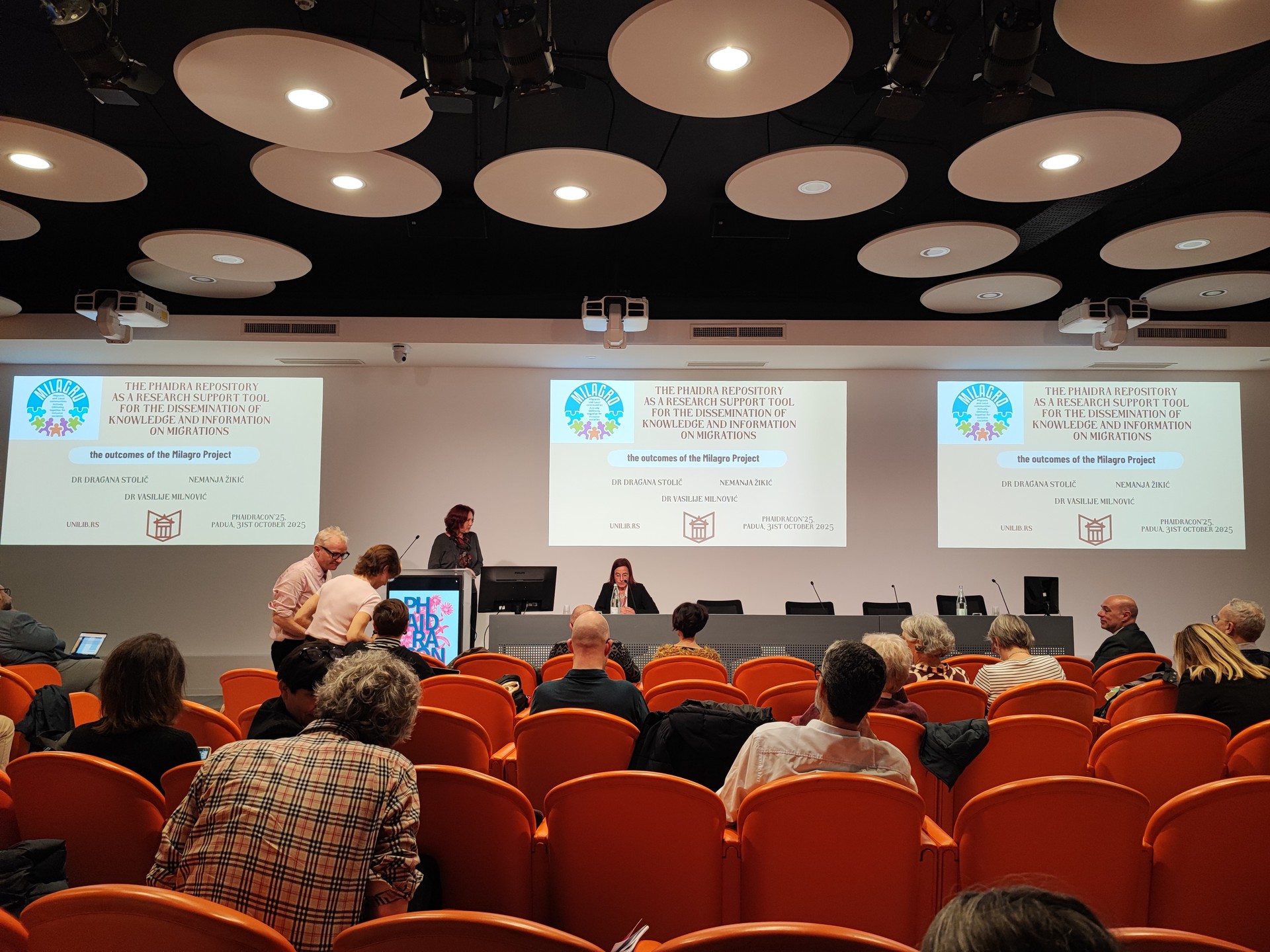
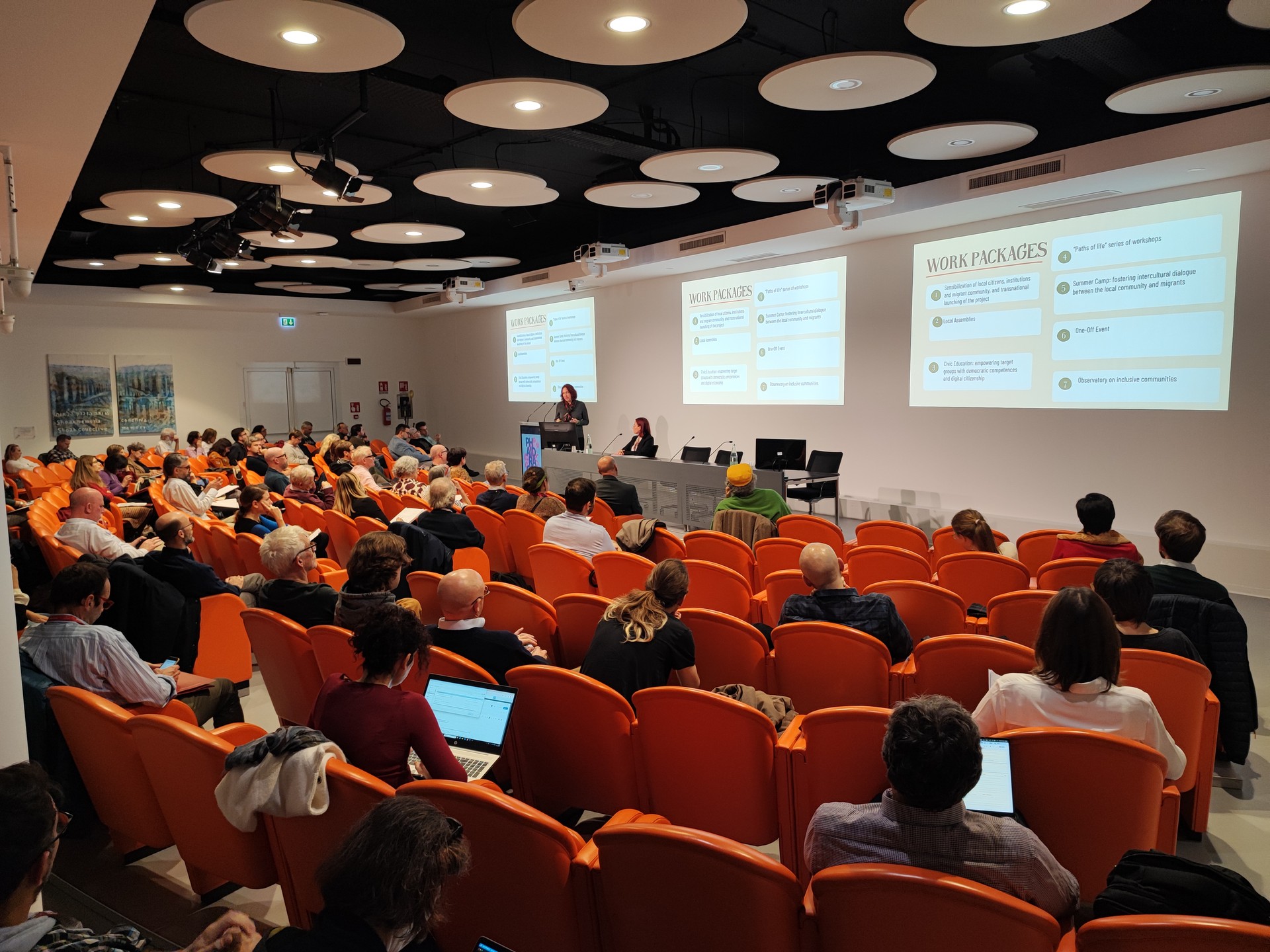
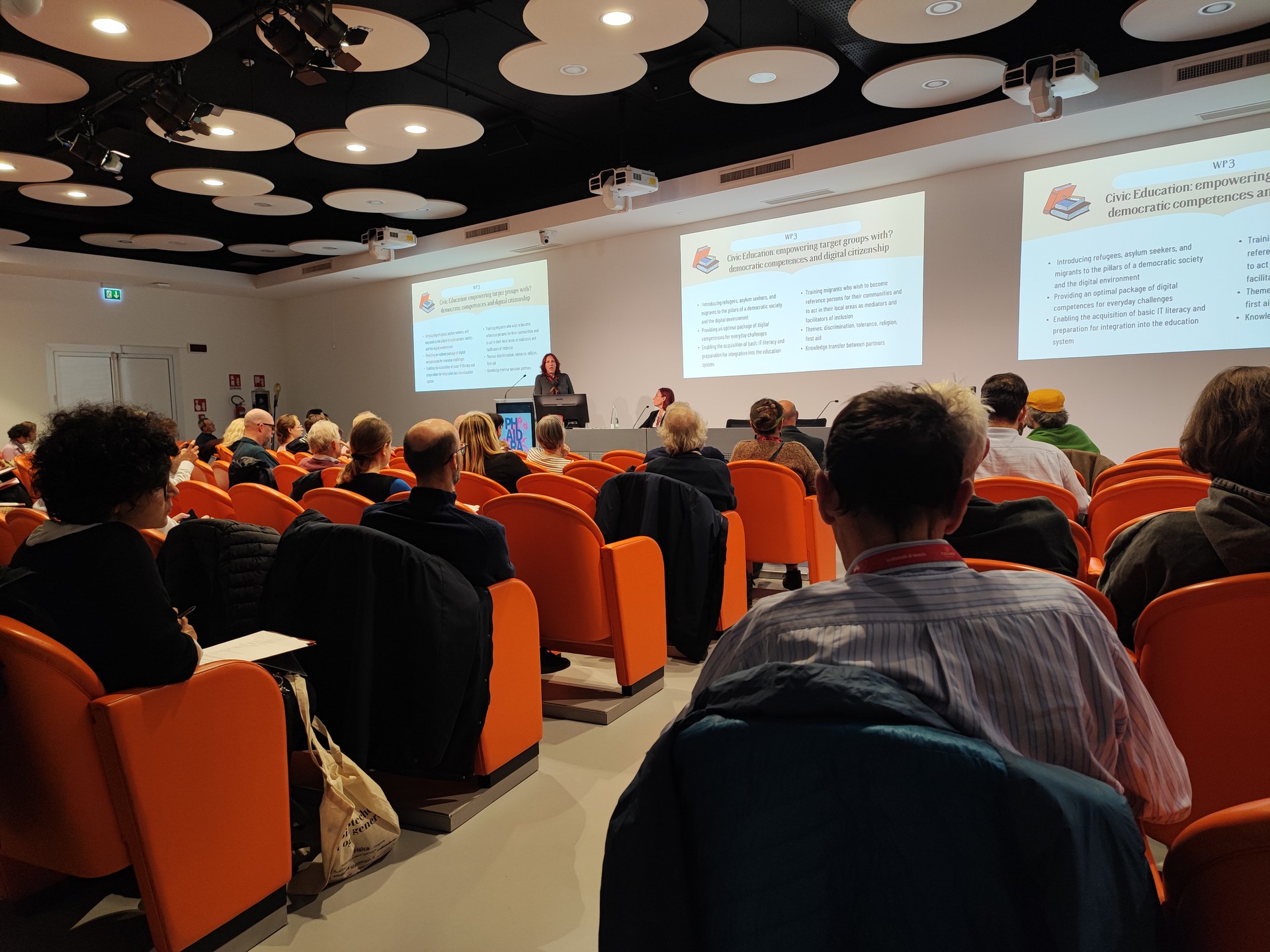
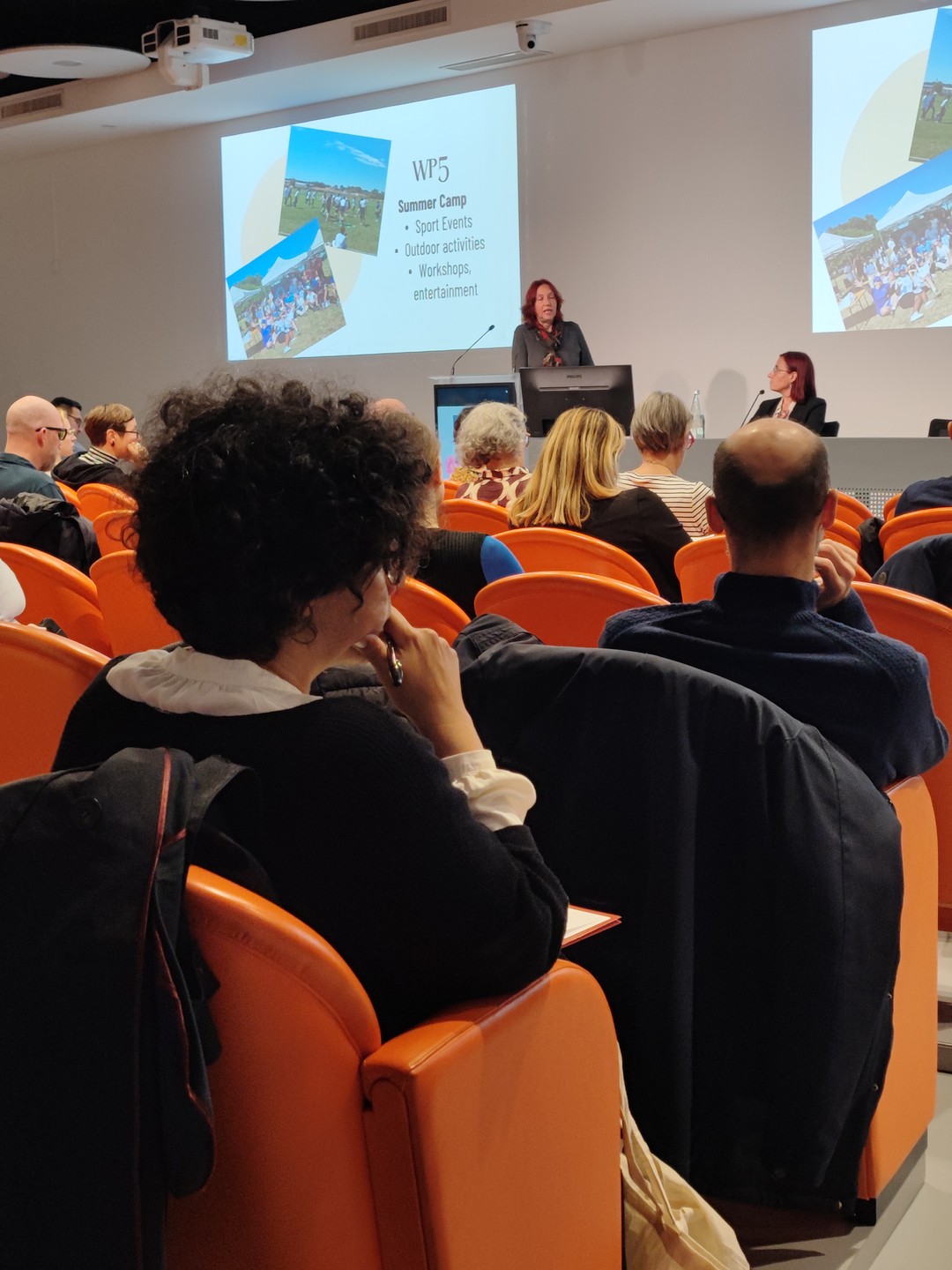
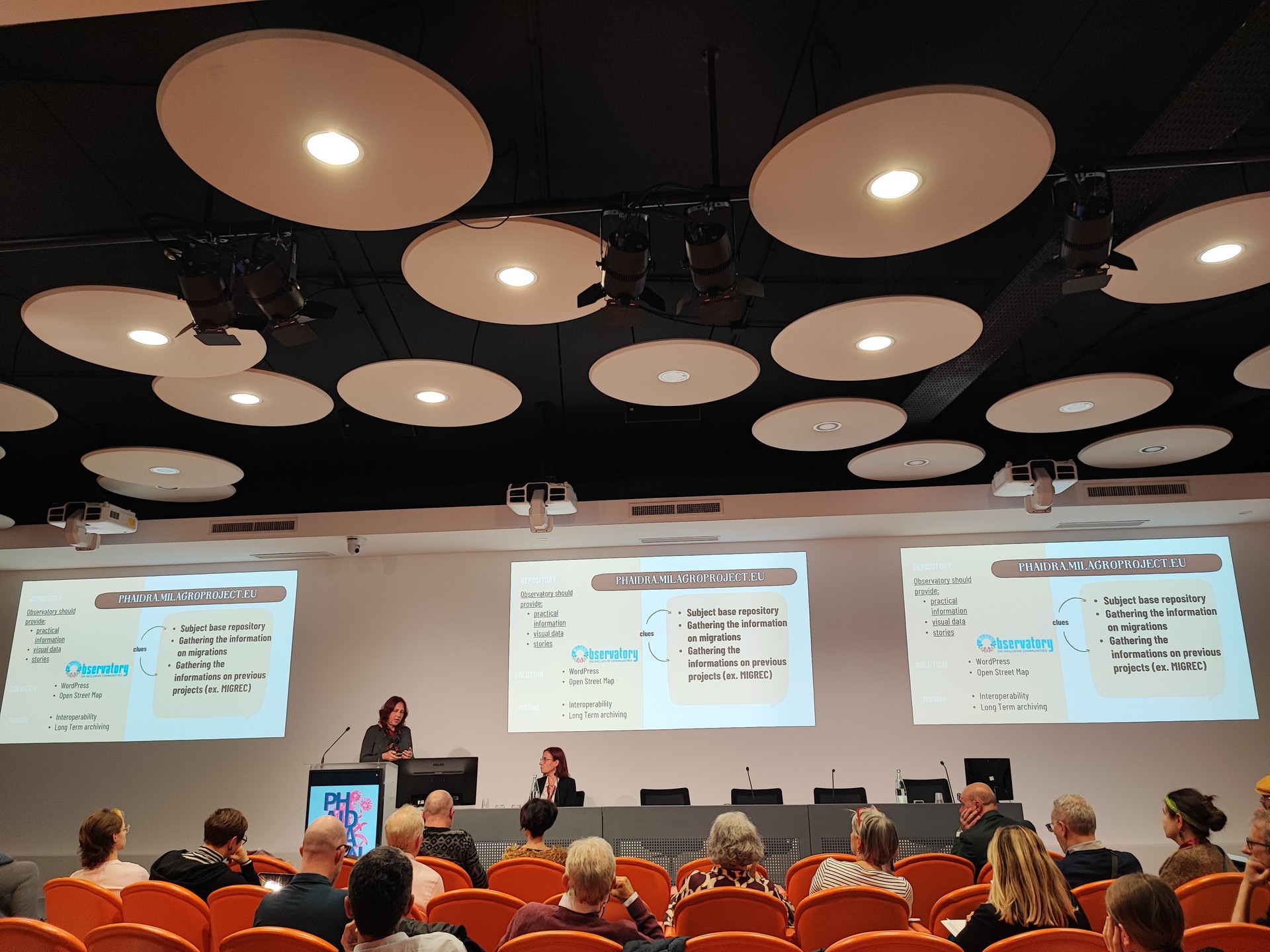
The presentation on the MILAGRO project was included in the first afternoon session when Dragana Stolić presented the topic The PHAIDRA Repository as a Research Support Tool for the Dissemination of Knowledge and Information on Migrations: The Outcomes of the Milagro Project.
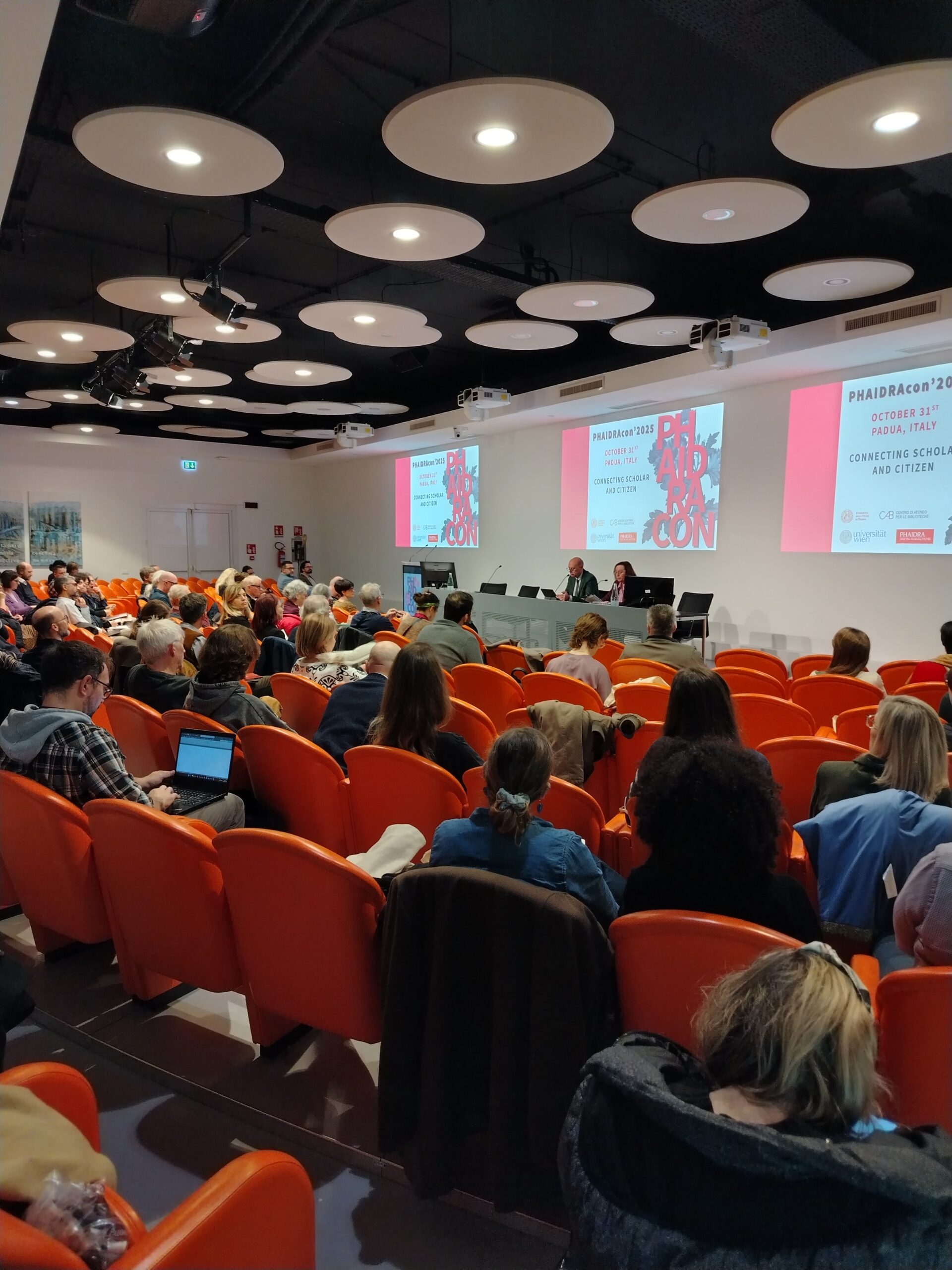
Her notable presentation was attended by around 90 experts and colleagues, and the project itself attracted great attention, as evidenced by the numerous questions from interested parties in the audience.
In this sense, this particular dissemination was extremely successful, and thus the process of general dissemination of the project was officially and successfully accomplished.