On May 9, 2026, the MILAGRO team Utrecht organized a concluding Festival. In the morning,
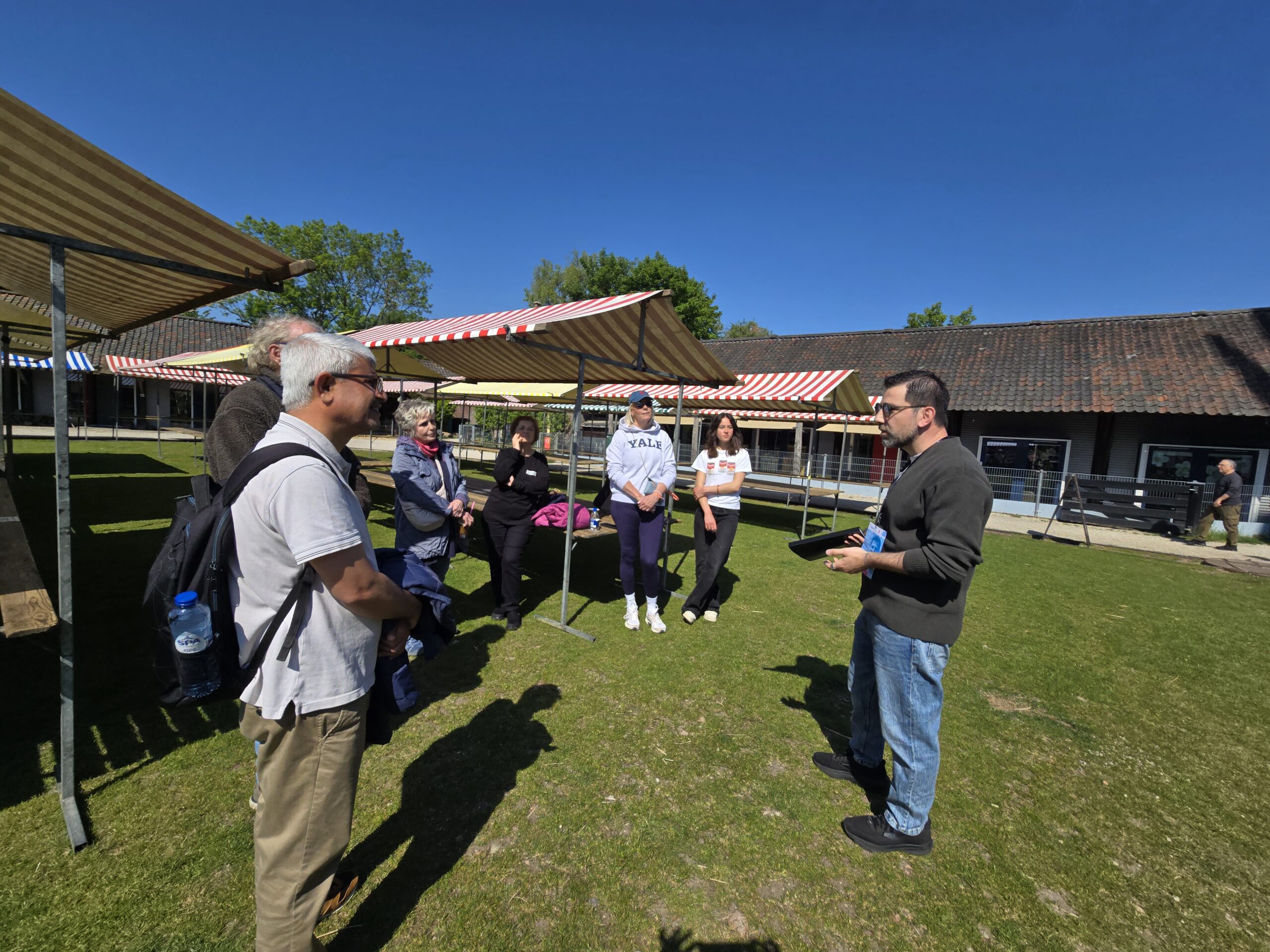
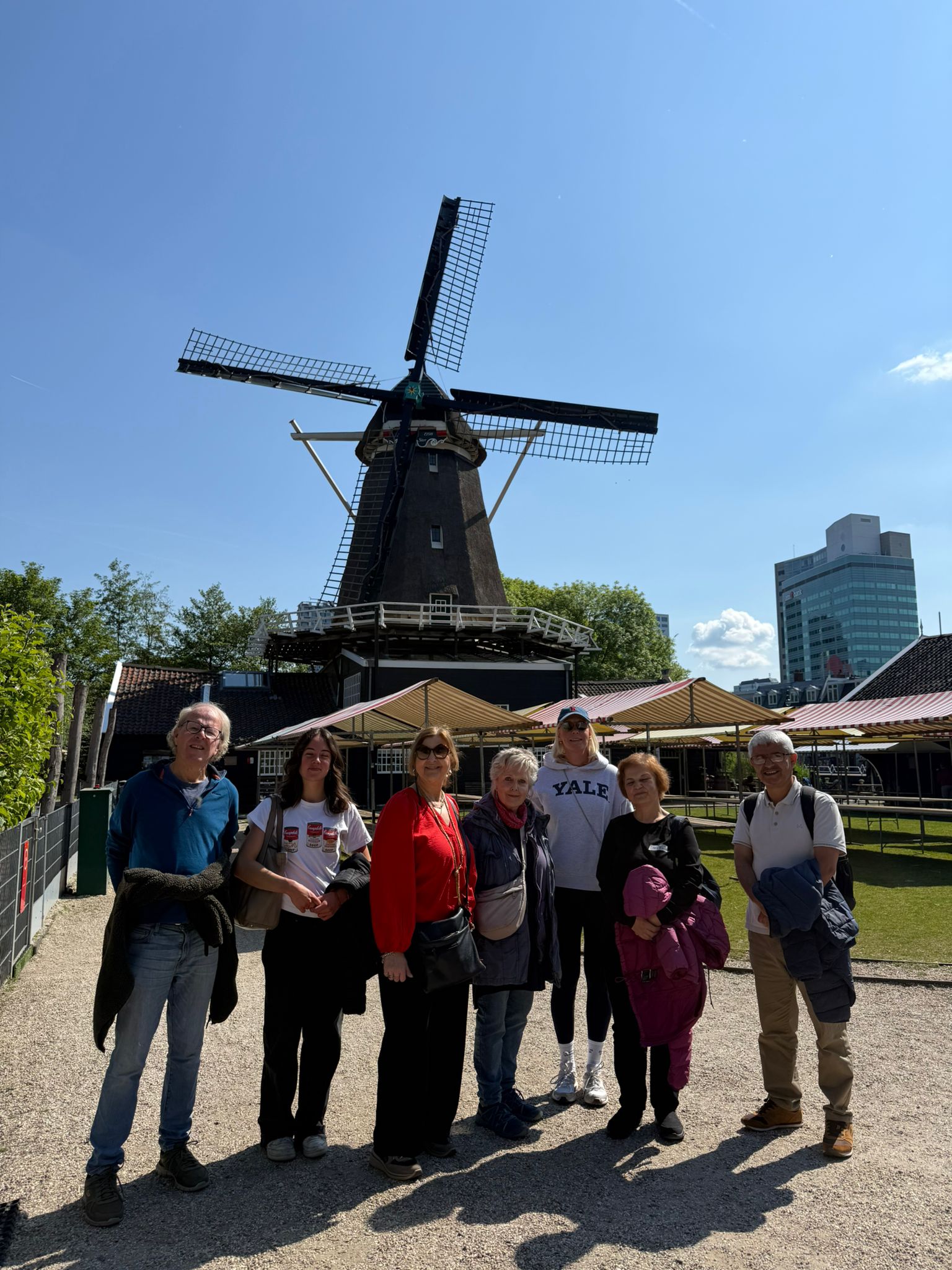
there was the possibility to participate in a Migrantour, organized by Migrantour Utrecht, one of
the local civil society partners that were supporting the project. The tour, co-designed with locals
in one of the neighborhoods of the city, took participants around that neighborhood, to discover
its history that is heavily interwoven with the exploitation by the Dutch of the Kingdom’s former
colonies. In the afternoon, the Festival was held at the Utrecht International Campus of Utrecht
University as one of the concluding events connected to the MILAGRO project. The event
brought together Utrecht University students, participants in the project’s courses and activities
over the past two years, trainers, volunteers, university staff members, and several community
partners.
The festival was designed as an open community event combining project presentations,
interactive activities, workshops, music, and opportunities for exchange and networking,
reflecting the practical and community-oriented nature of the MILAGRO project. The program
ran from 2 PM until 6 PM and included an official opening, musical performances, project
presentations, interactive stations with activities, certificate distribution, and closing drinks with
refreshments.
The event opened with welcoming remarks introducing the aims of the festival and the structure
of the program. This was followed by a musical performance presented by participants from
the MusicAZ@Utrecht initiative, which brings musicians together in refugee reception centers
across Utrecht to exchange music and organize collaborative musical activities. Accompanied by
the Arabian oud and the guitar, musicians performed Iranian and Turkish songs, inviting those in
the audience who knew the songs to sing along and join them on stage.
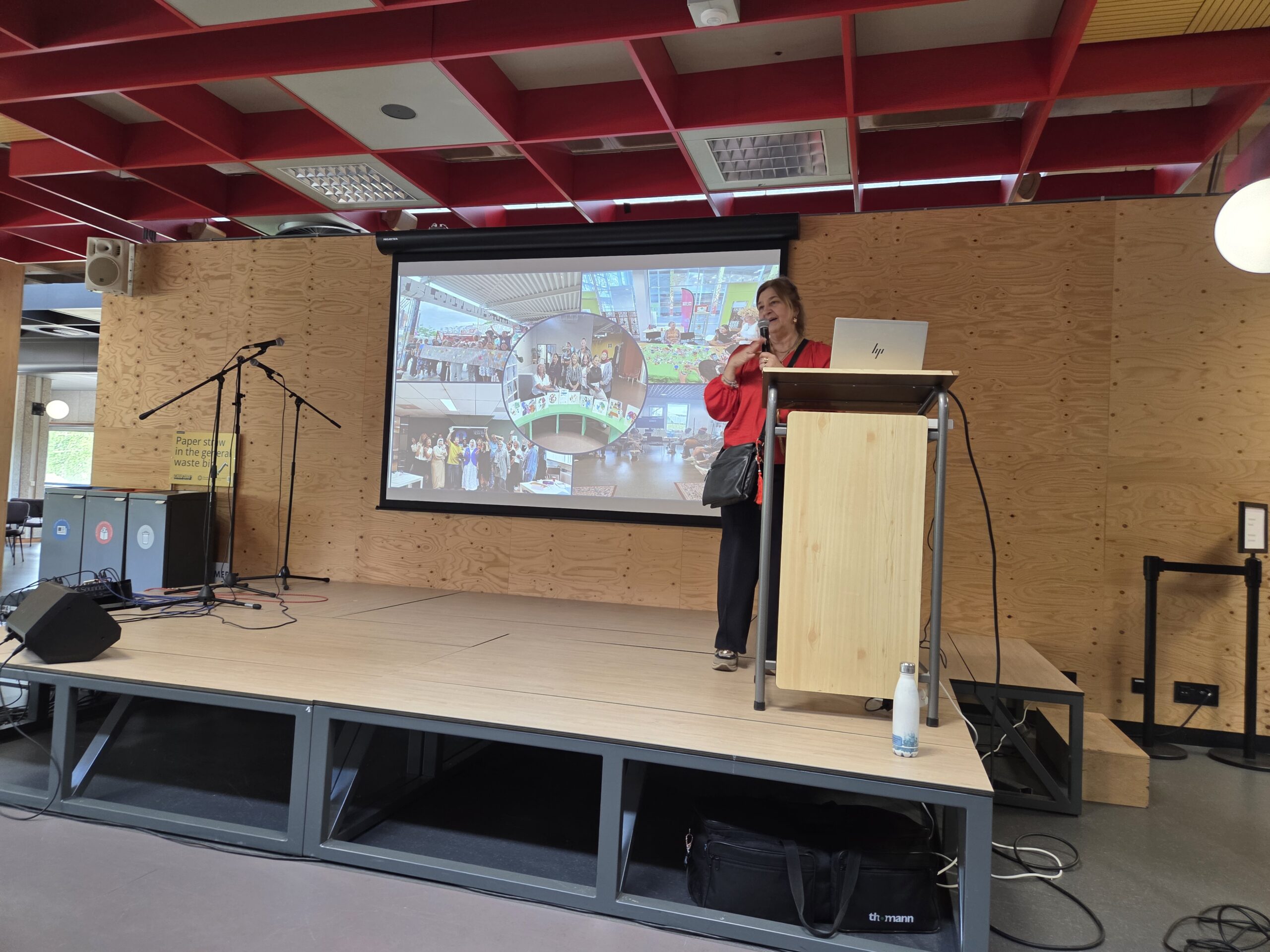
Following the opening session, an introductory presentation about the MILAGRO project was
delivered, outlining the project’s objectives, activities, and outcomes. The presentation
highlighted the project’s role in promoting intercultural communication, supporting inclusive
communities, and creating shared spaces for interaction and cooperation between students,
migrants, refugees, and local communities. Several local Utrecht-based partner initiatives
connected to the project were also introduced, including the Online Coaching Center, Gemeente
Utrecht, Open Coaching Center & Open Coaching Academy, Het Wilde Westen, Welkom in
Utrecht, Beats of Hope Africa, Eu Sou Latina, AllOne, Incluusion, De Voorkamer, Migrantour,
and Marhaban UCU (a student led initiative).
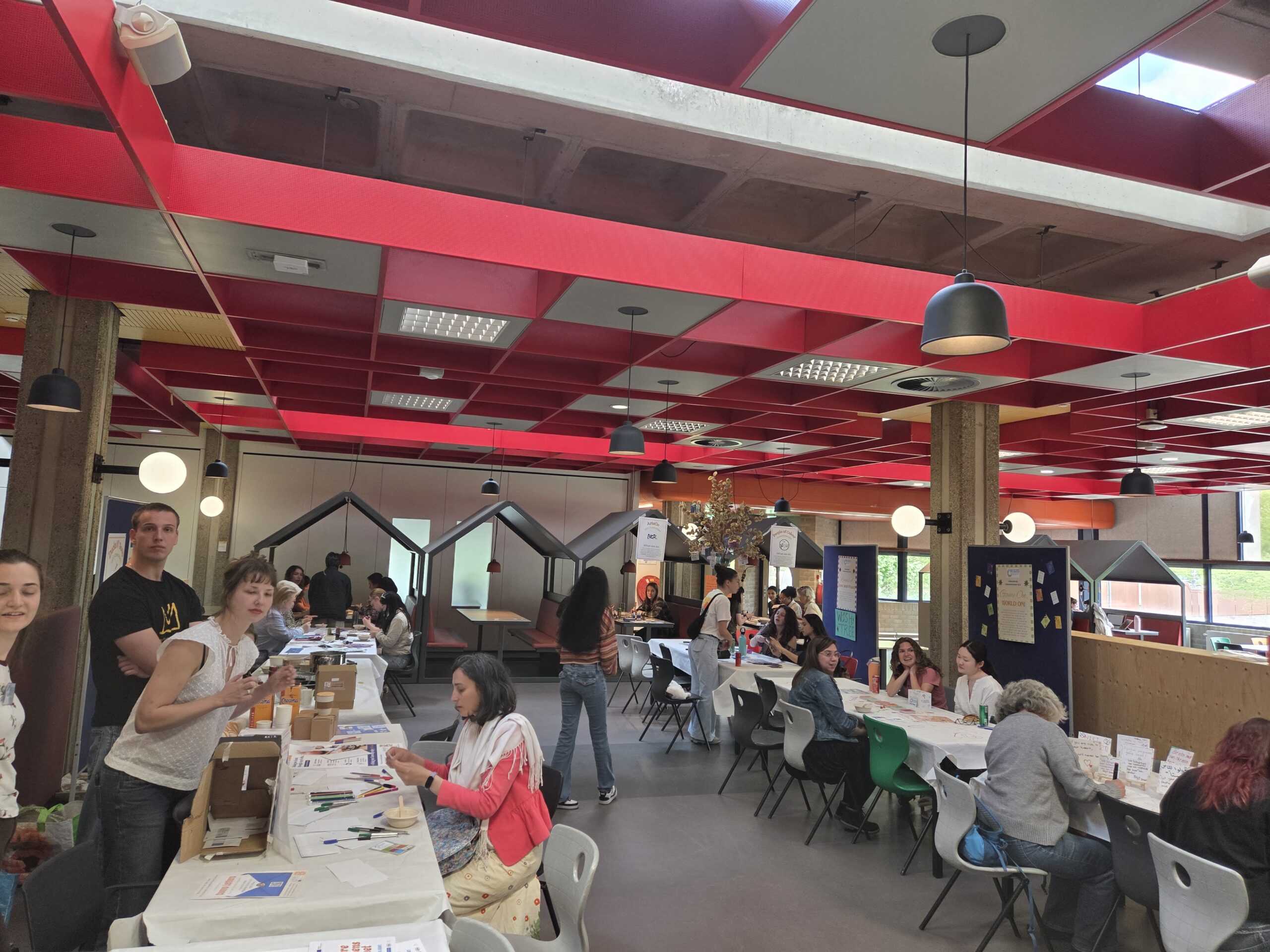
Interactive workshops and activity stations formed the central component of the festival
program. The activities were organized in parallel stations that allowed visitors to move freely
between workshops and participate directly in different activities facilitated by Utrecht
University students and project participants.
After signing up the attendance sheet, visitors received a stamp card with 5 boxes. They were
invited to participate in at least 5 different activities. Those who collected 5 stamps could receive
a printed version of the MILAGRO recipe book.
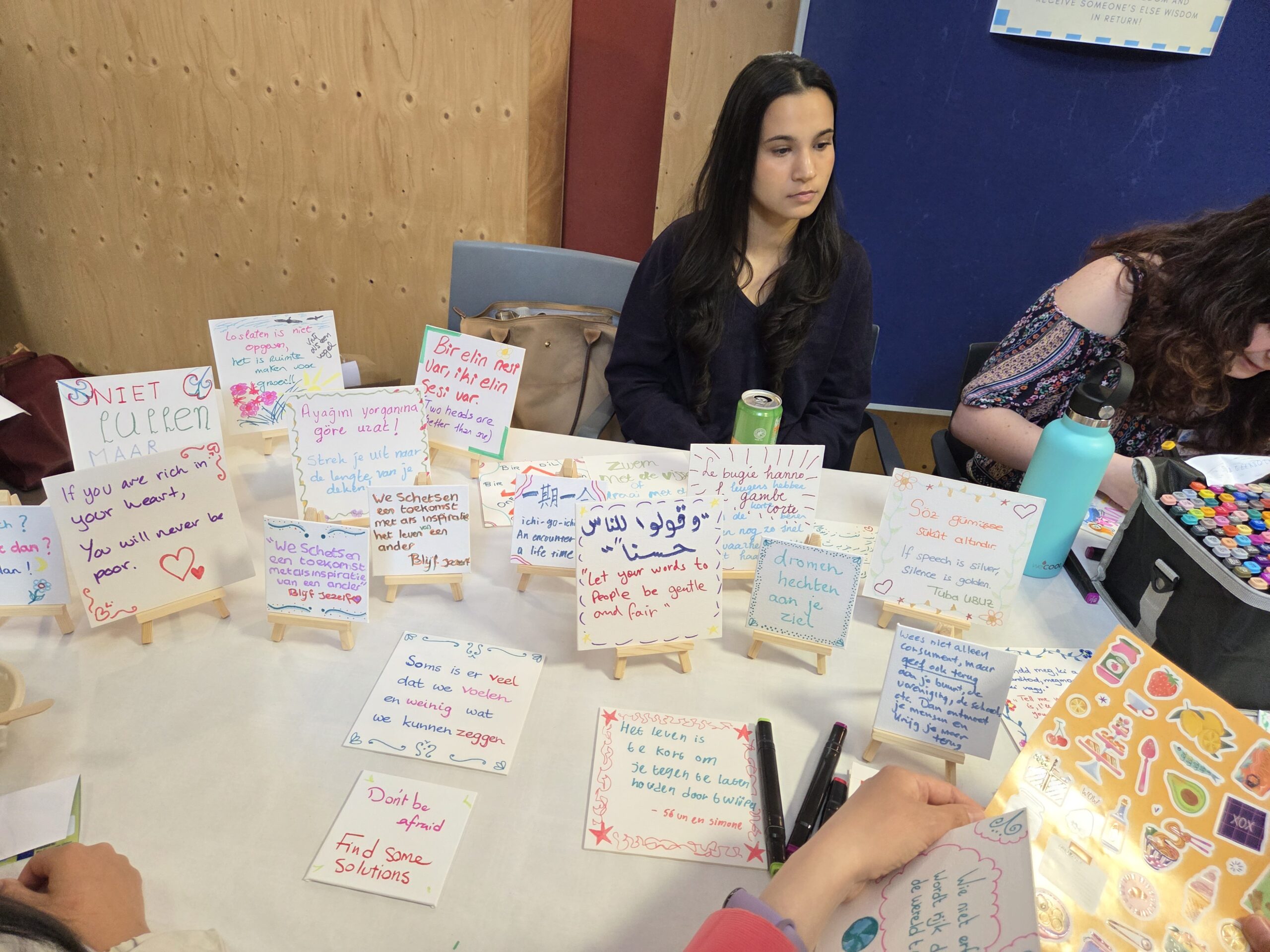
Among the featured activities was the workshop Little Tiles, Big Wisdom, in which participants
wrote short personal reflections, sayings, or words of wisdom on small canvases and exchanged
them with others. The activity was inspired by traditional Dutch decorative tiles containing
sayings and household wisdom and transformed this concept into an intercultural exchange of
personal messages and experiences.
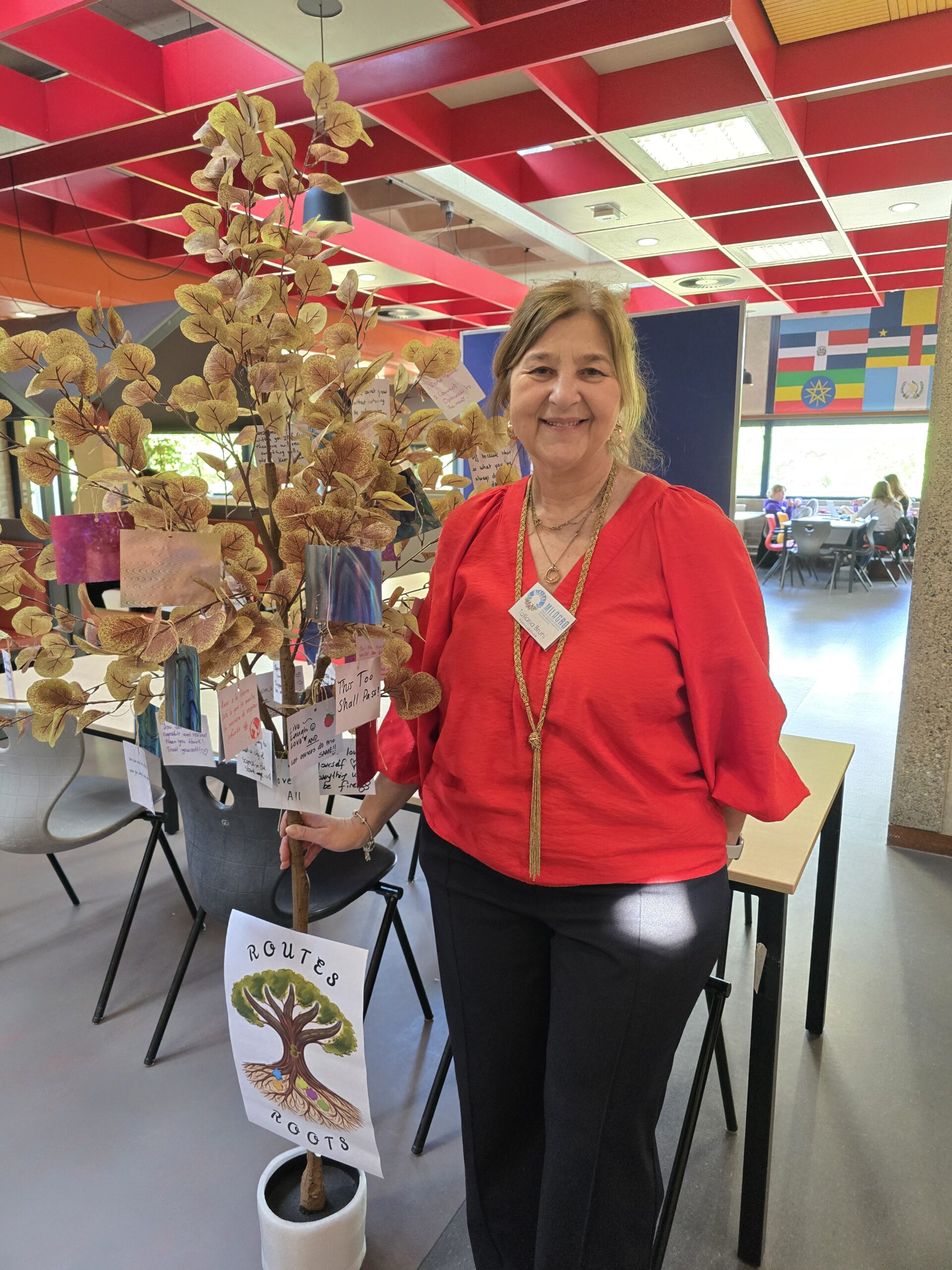
At another table the activity Leaves of Love and Peace invited participants to write hopes and
messages related to community and coexistence and attach them to a symbolic “wish tree”
created for the activity.
The program also included the workshop Game On, World On!, which focused on the use of
dialogue and thoughtful questions to encourage participants to share stories and explore
similarities and differences between individuals from diverse backgrounds.
The Culture Quest Challenge, connected to the Kultialogo app (project deliverable D3.1),
enabled participants to test their knowledge about intercultural communication through
interactive quizzes related to religion, sports, rights, and equality.
In addition, the Marhaban Project UCU presented the workshop Building Bridges, Not Walls,
which introduced mentoring and friendship programs connecting Utrecht University College
students with young people from refugee backgrounds living in Utrecht.
The local civil society partner AllOne also participated through the activity Table Talks &
Togetherness, which created a shared space for discussion and group interaction through
collaborative and creative activities.
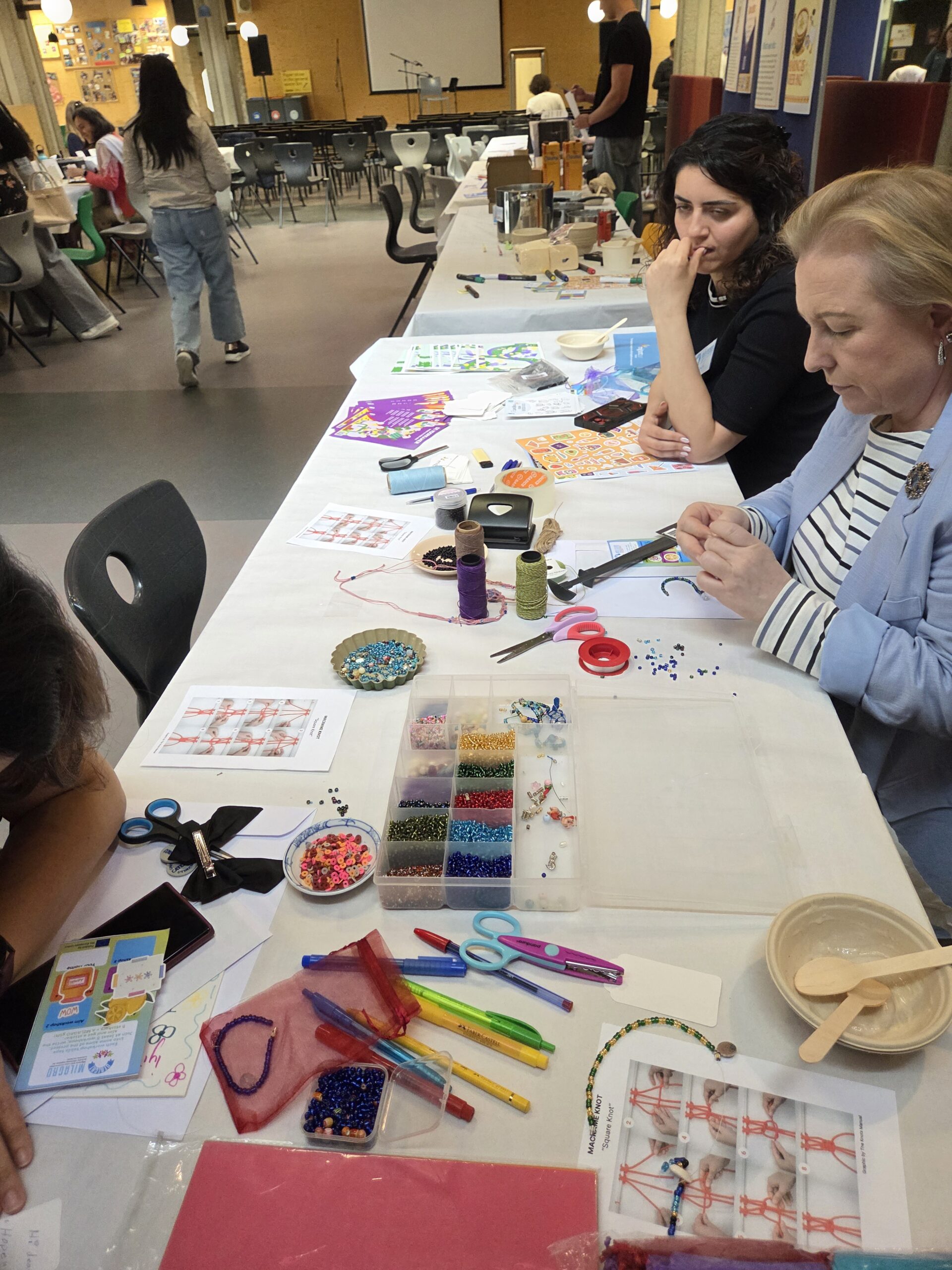
Another interactive activity, Message in a Bracelet, was organized in collaboration between De
Voorkamer and Peer Support. Participants designed bracelets carrying personal messages and
symbolic expressions through a collective hands-on activity. The bracelets will be distributed to
children in refugee reception centers in the city.
Several additional student initiatives and committees also contributed to the program through
activities related to art, social interaction, student support, and community engagement,
including collaborative art activities, collage-making, and creative workshops.
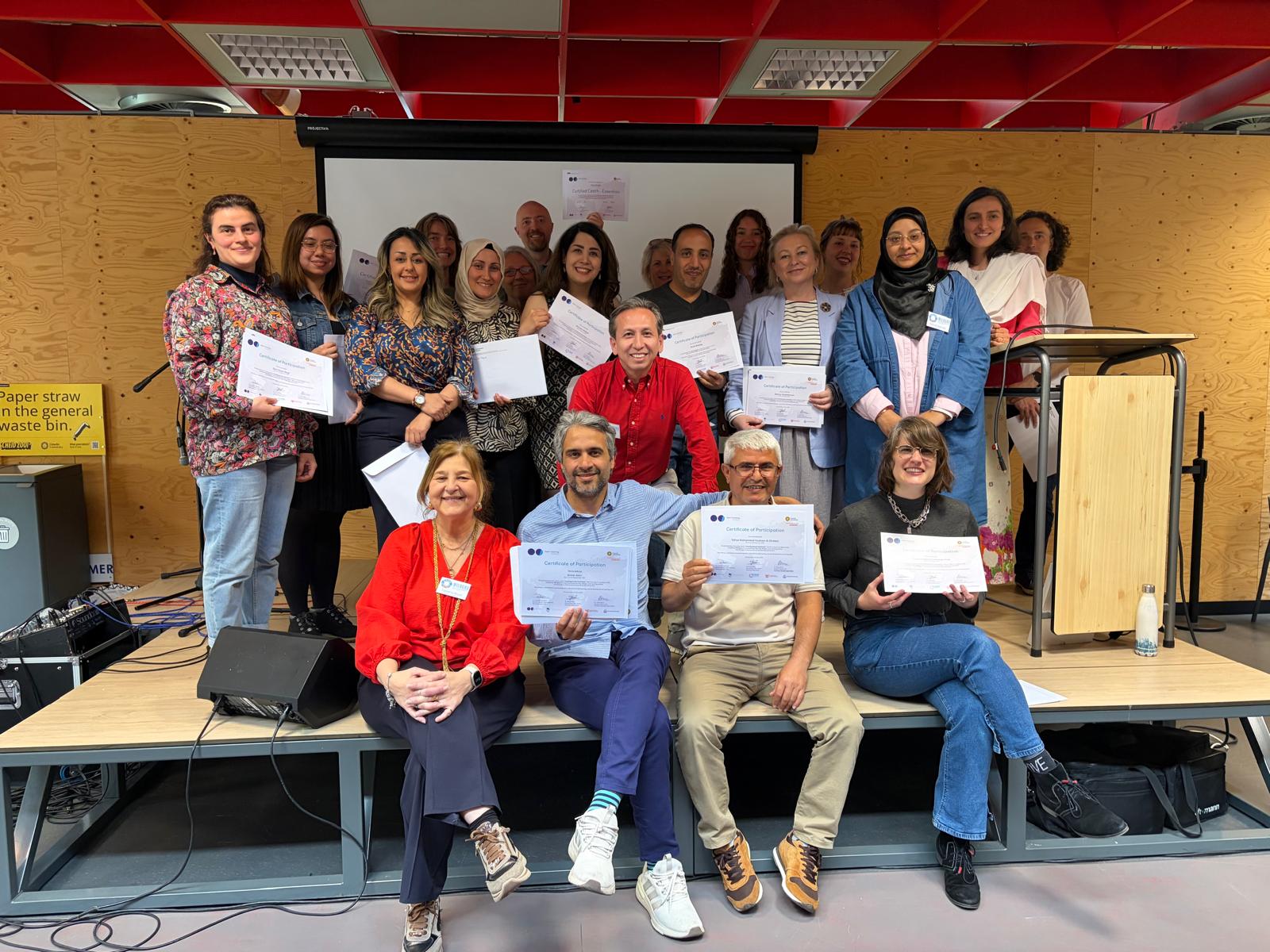
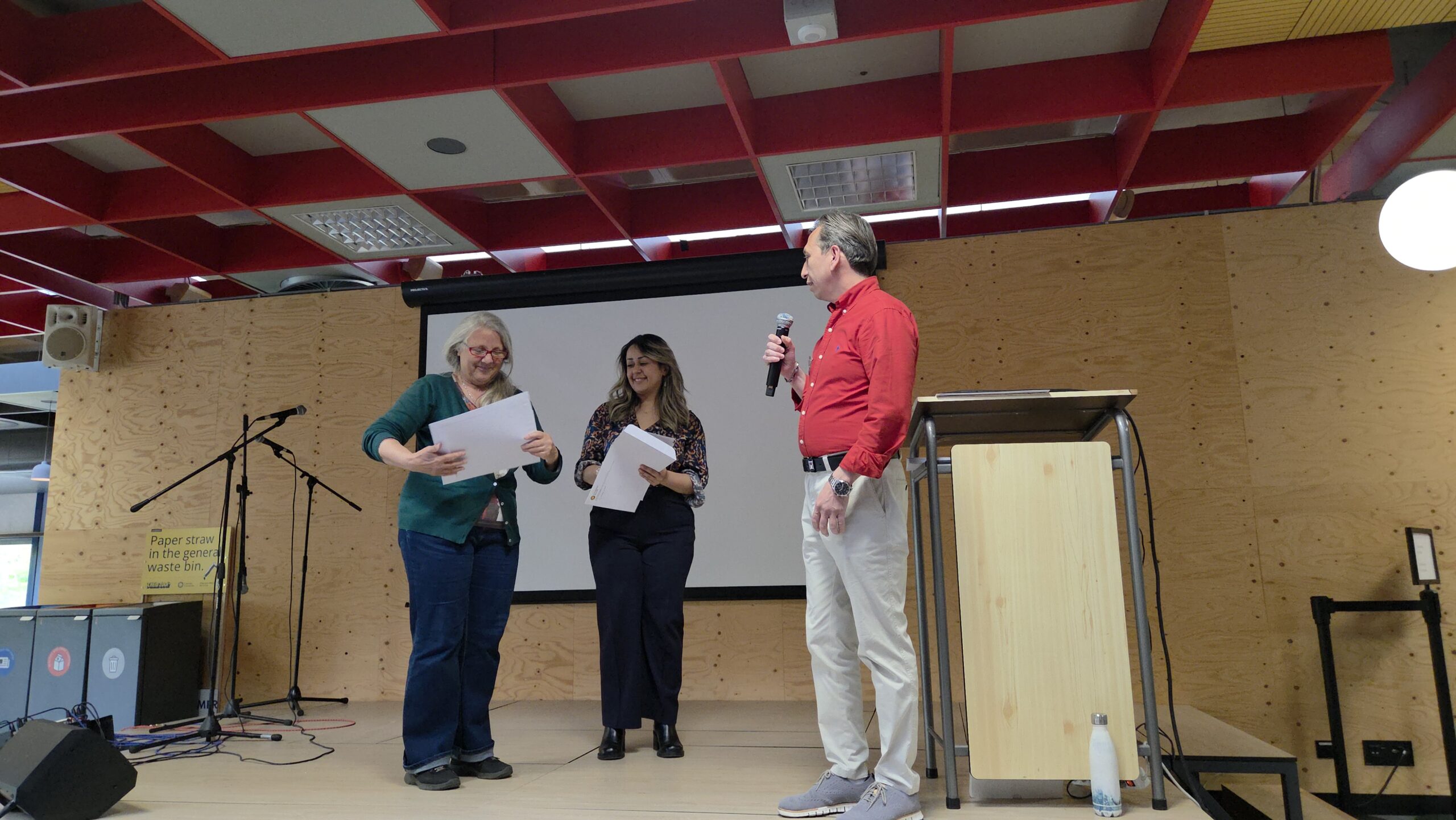
Midway through the program, certificates were distributed to participants of the Coaching
Across Continents program (WP3, task 3.3), in recognition of their participation in the project’s
training activities.
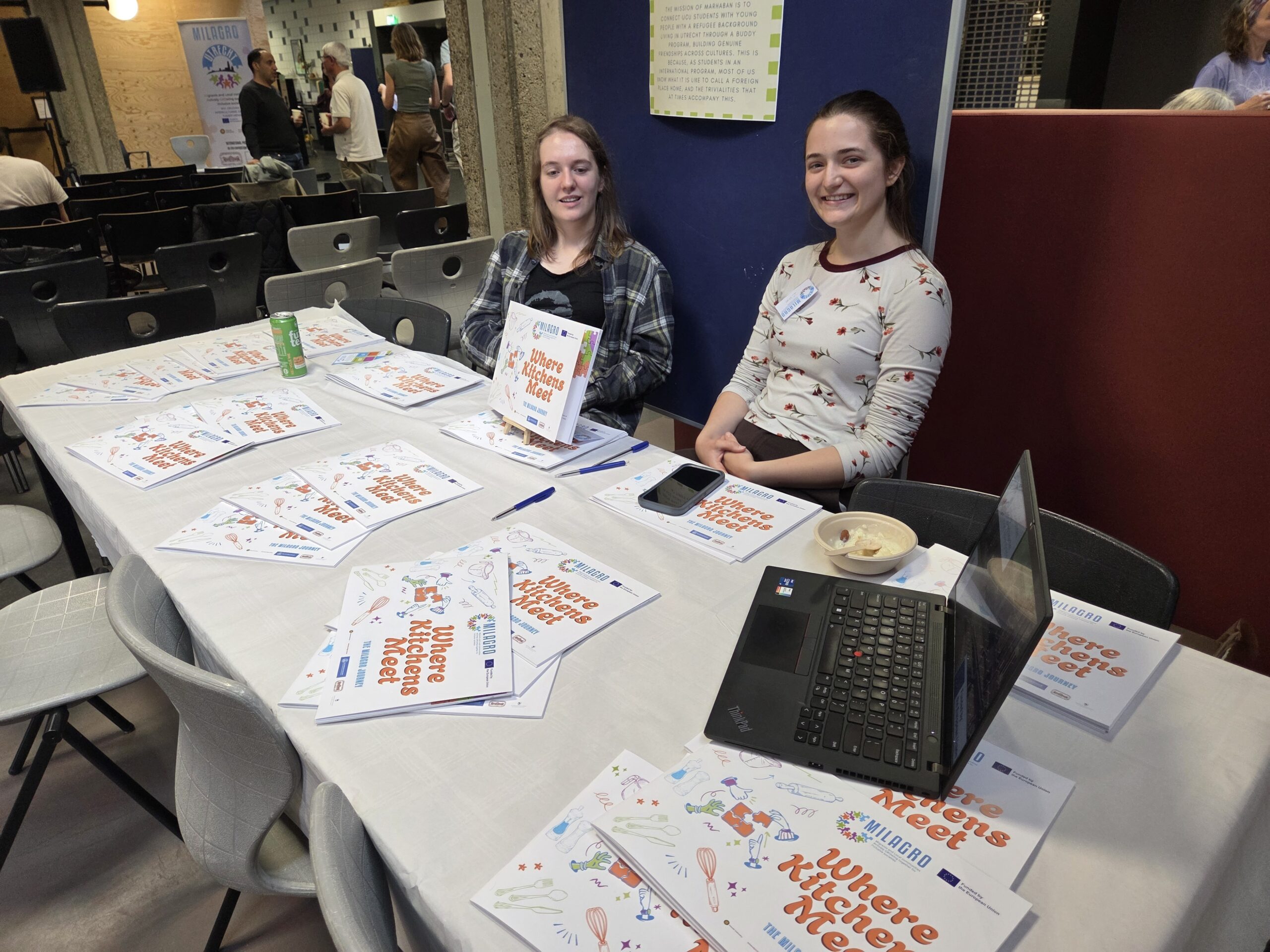
The festival additionally included social activities and refreshments, including the serving of a
traditional Pakistani and Afghan rice pudding dessert with nuts, one of the recipes collected in
MILAGRO’s recipe book “Where kitchen meet. Honouring recipes and culinary traditions that
bring people closer together” (project deliverable D5.2).
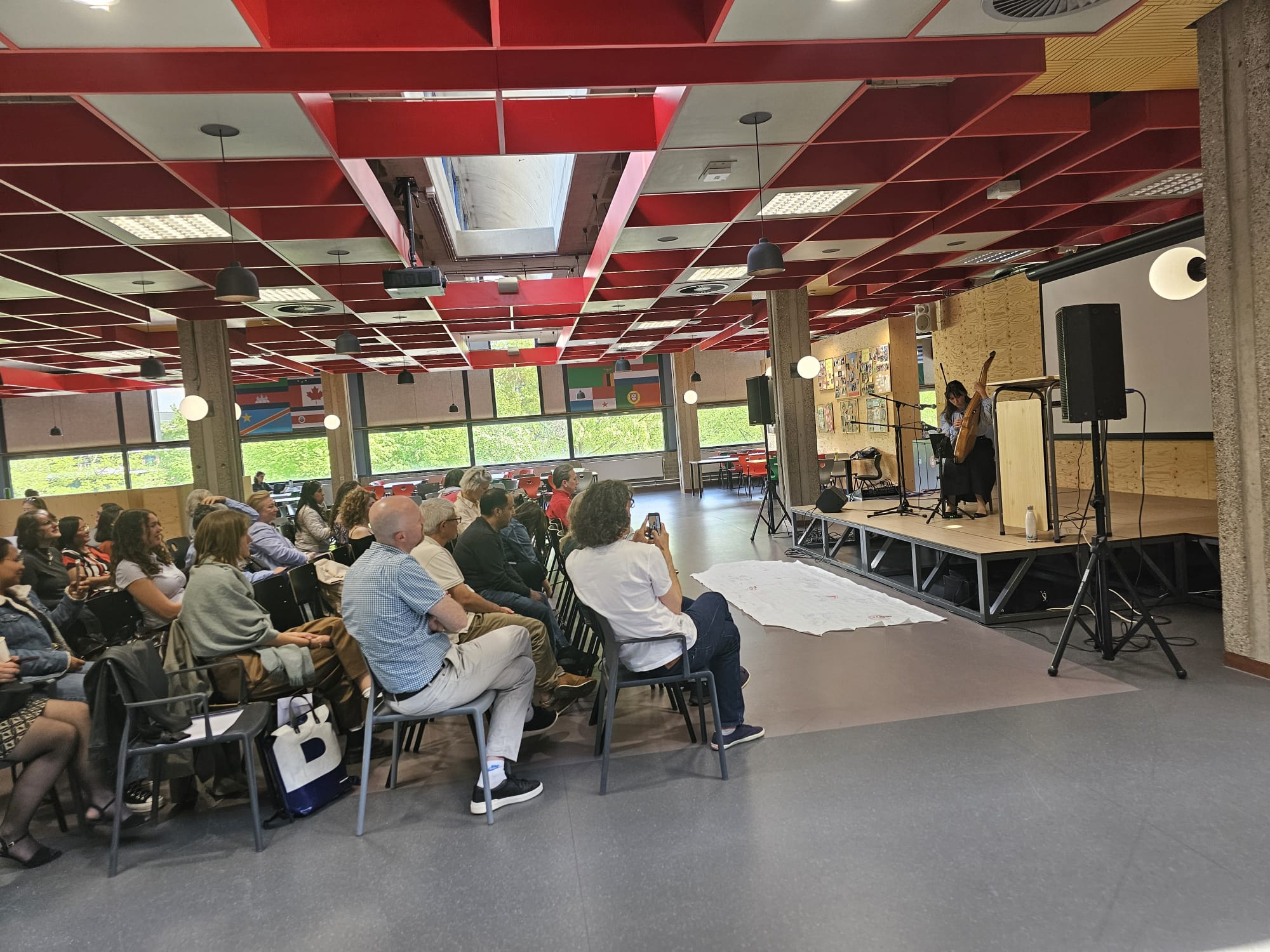
The program featured a second musical performance, a solo Ukrainian musical performance
using a traditional Ukrainian string instrument known as the bandura.
Throughout the event, participants moved between activity stations, engaging with the volunteers
running the activities and having conversations with both volunteers and organizers. The
program structure encouraged open participation and direct interaction among attendees from
different backgrounds.
The festival concluded with closing remarks followed by refreshments. The final segment of the
program provided an opportunity for participants, organizers, and community partners to
continue informal discussions and networking.
The MILAGRO Festival represented a practical example of a community-oriented university
event that combined project presentations, student-led workshops, community initiatives, music,
certificate distribution, and artistic activities within one integrated program. The event
contributed to documenting and presenting key aspects of the MILAGRO project while
strengthening interaction and cooperation between students, volunteers, project participants, and
community partners from diverse backgrounds. Feedback from participants was very positive.